
Last updated August 27, 2026
Free in-home measure and quote - PGT, CGI and CWS impact lines compared on your actual openings, style by style
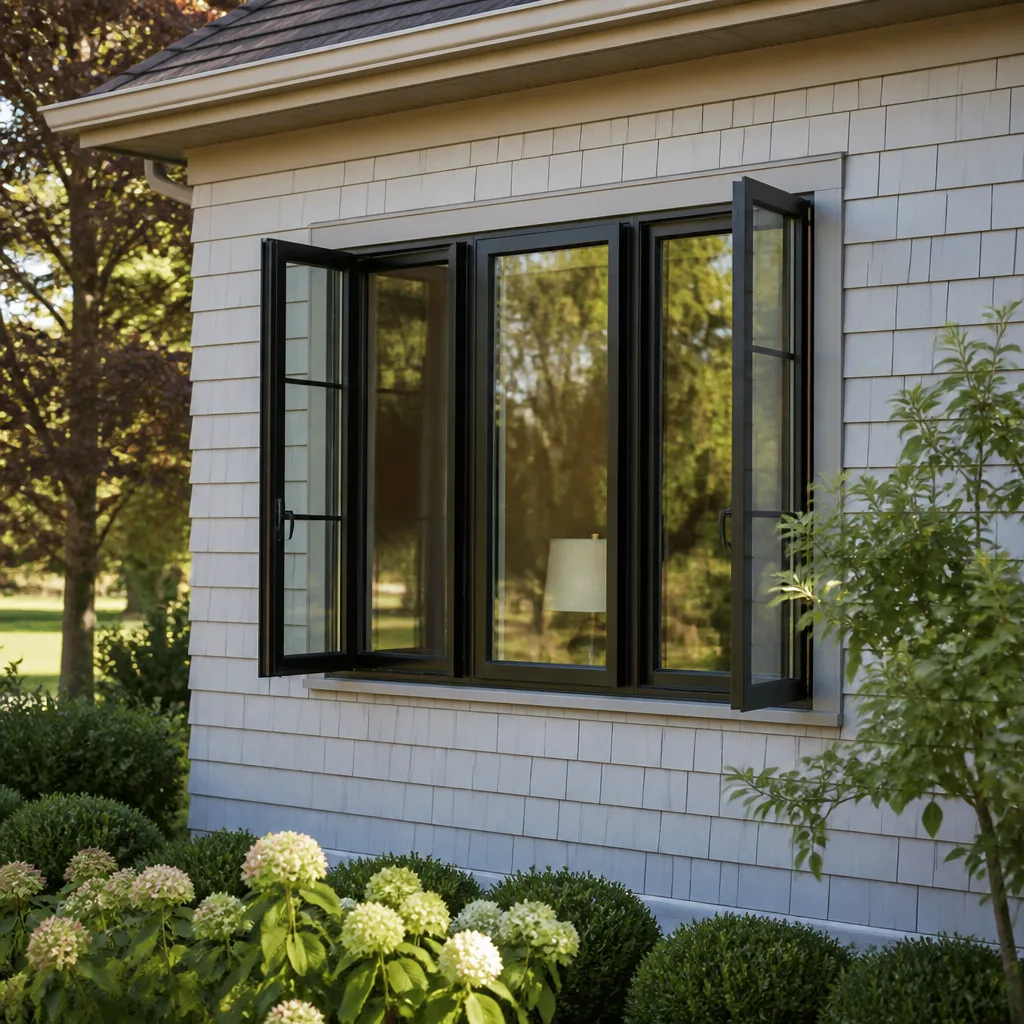
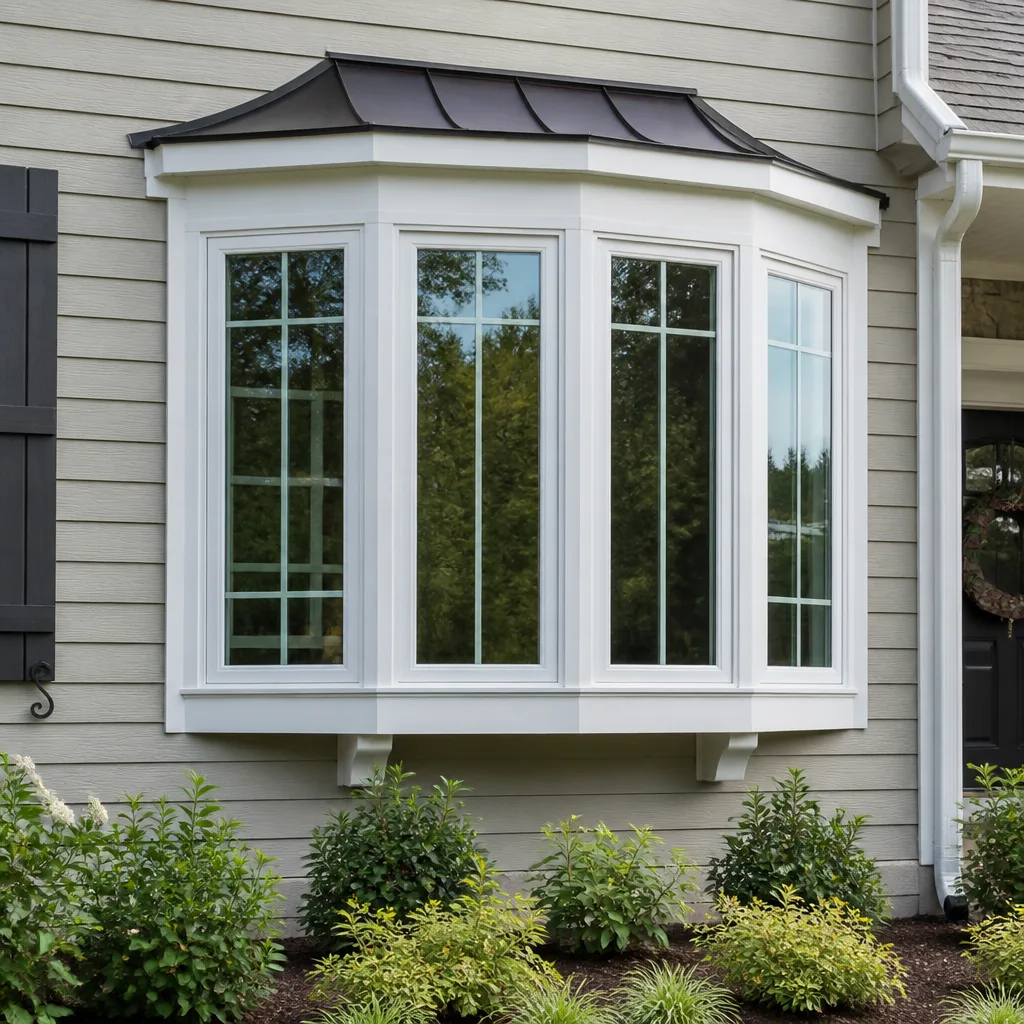
Sliding glass doors
Impact garage doorsPGTCGI
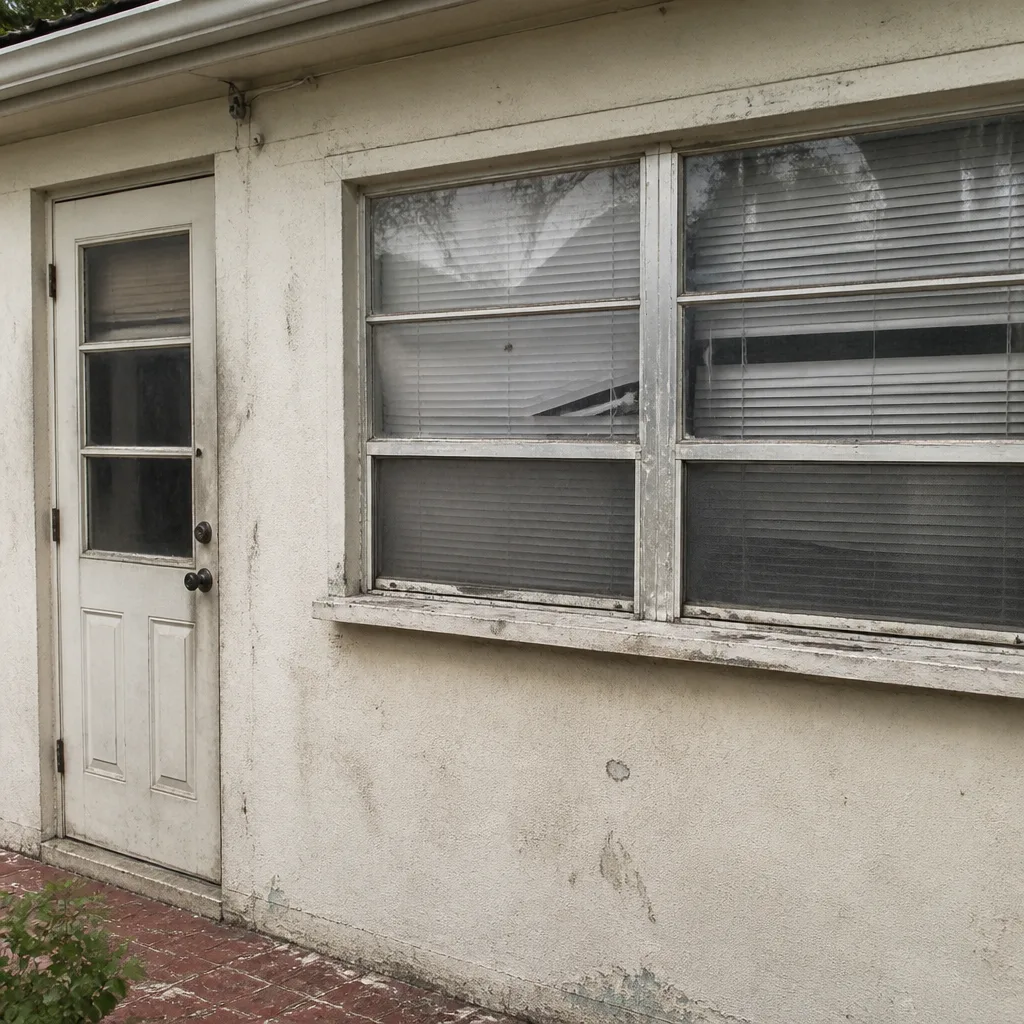 Before
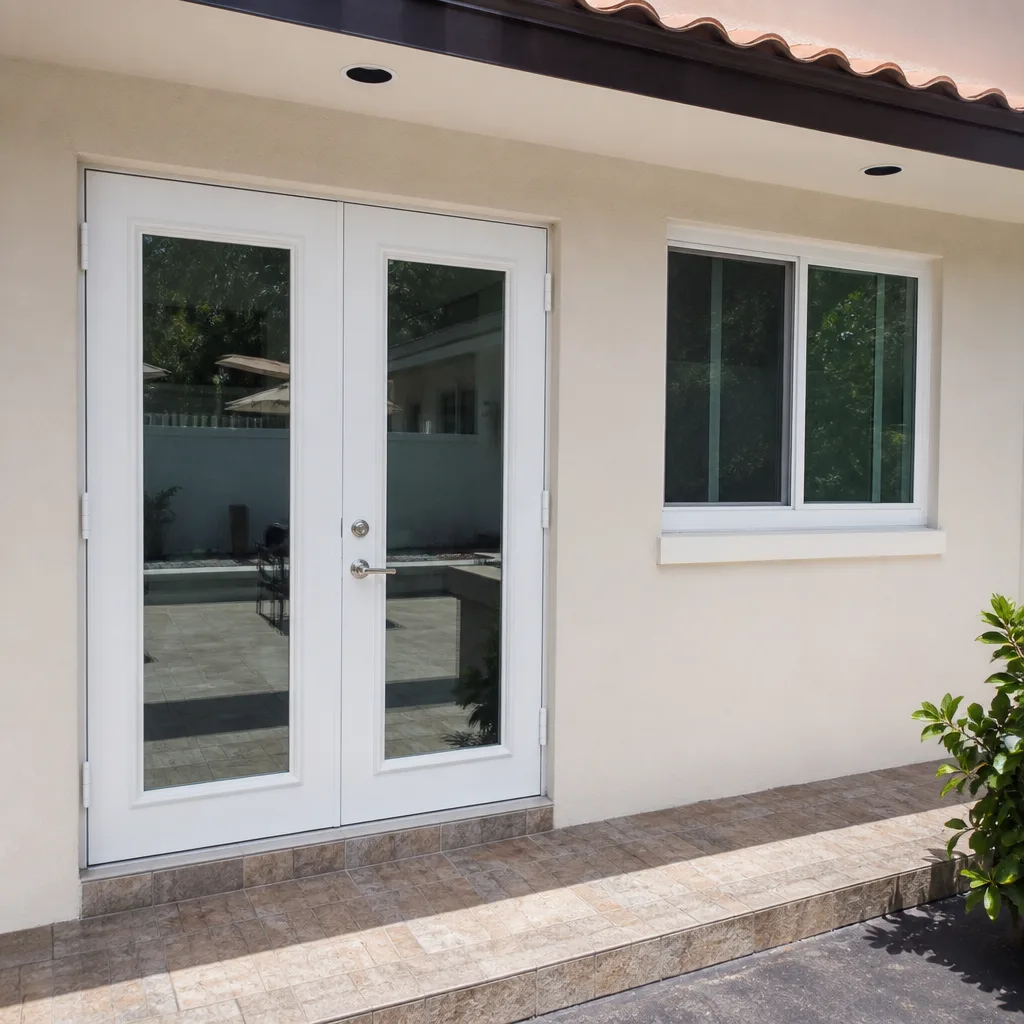 After
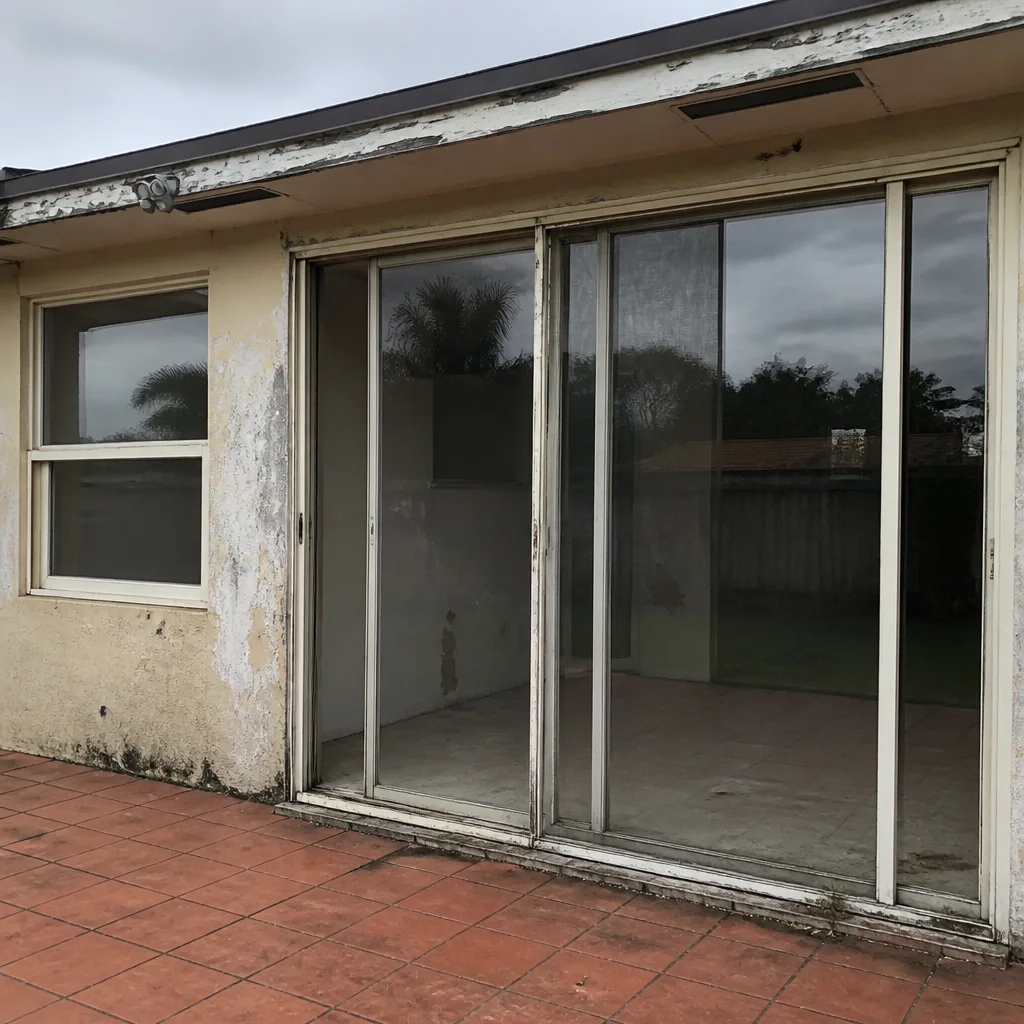 Before
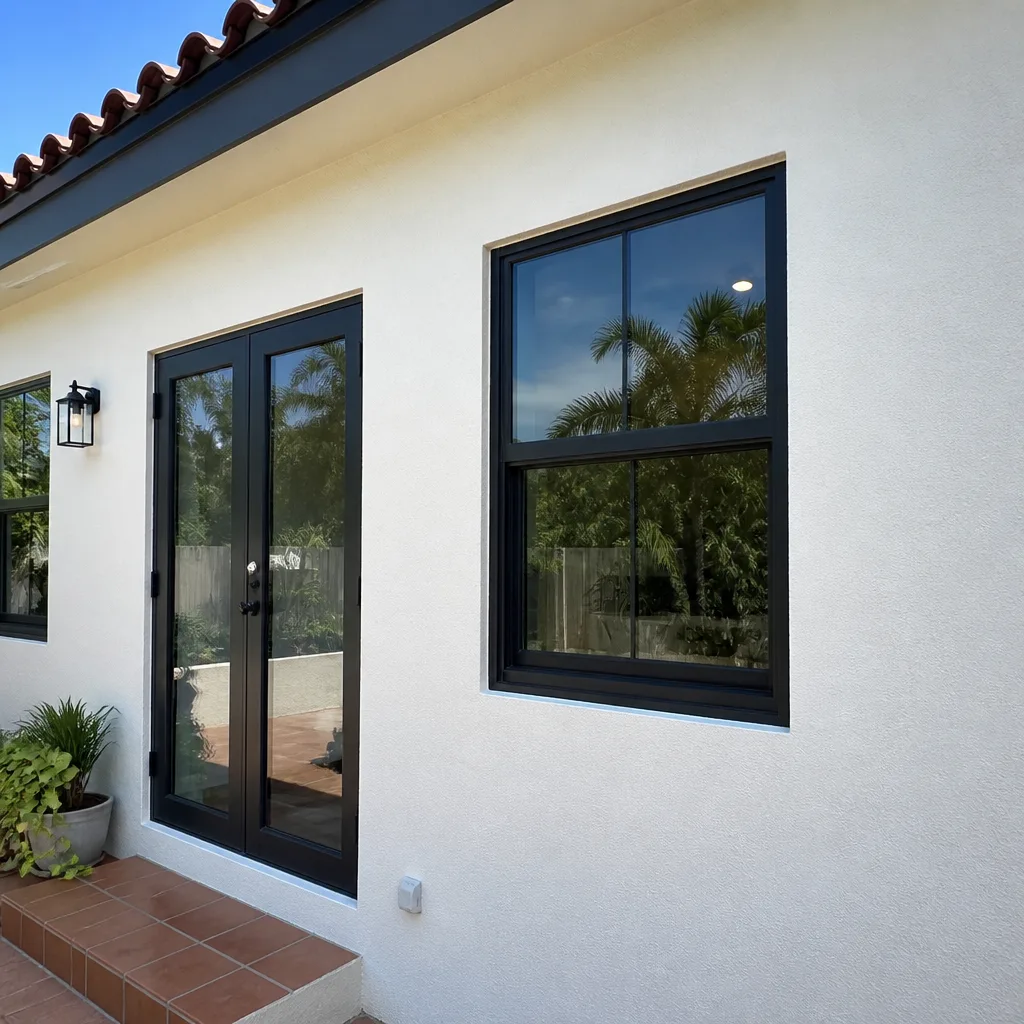 After
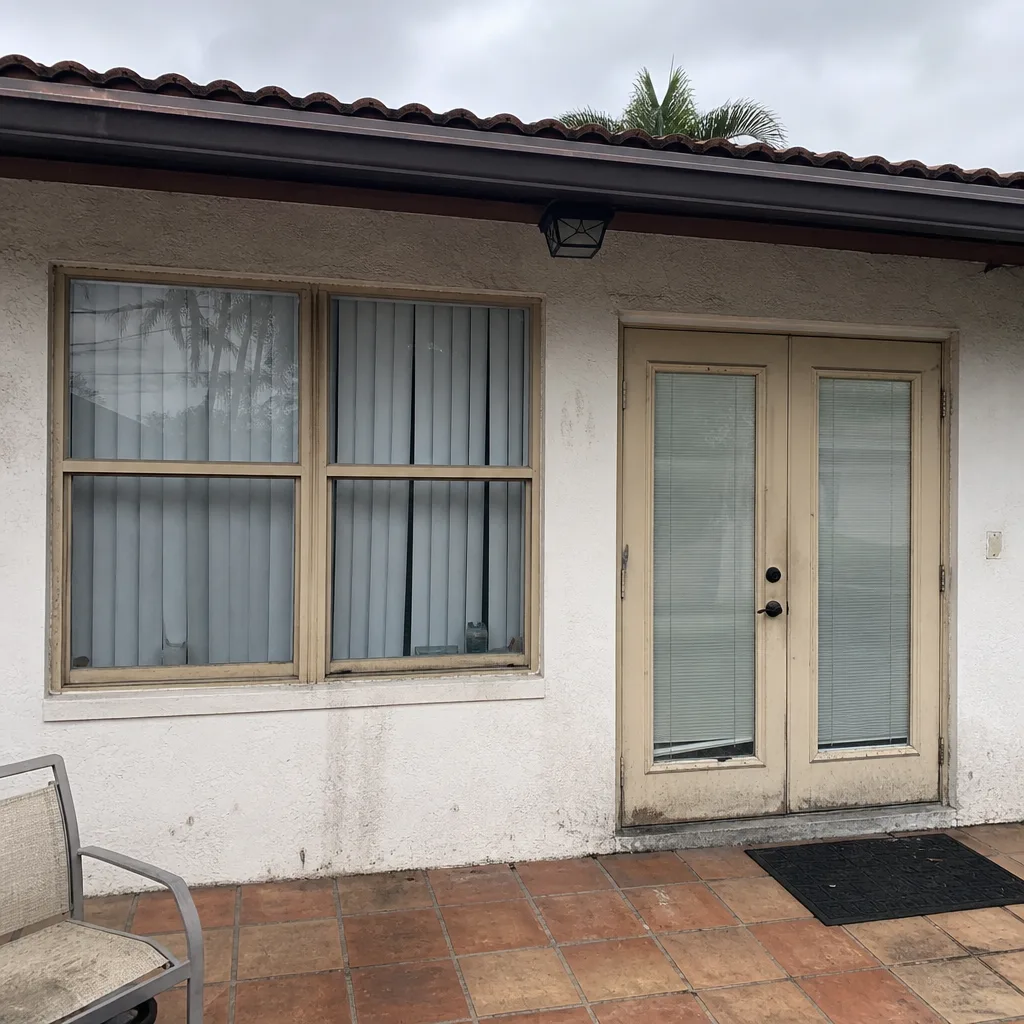 Before
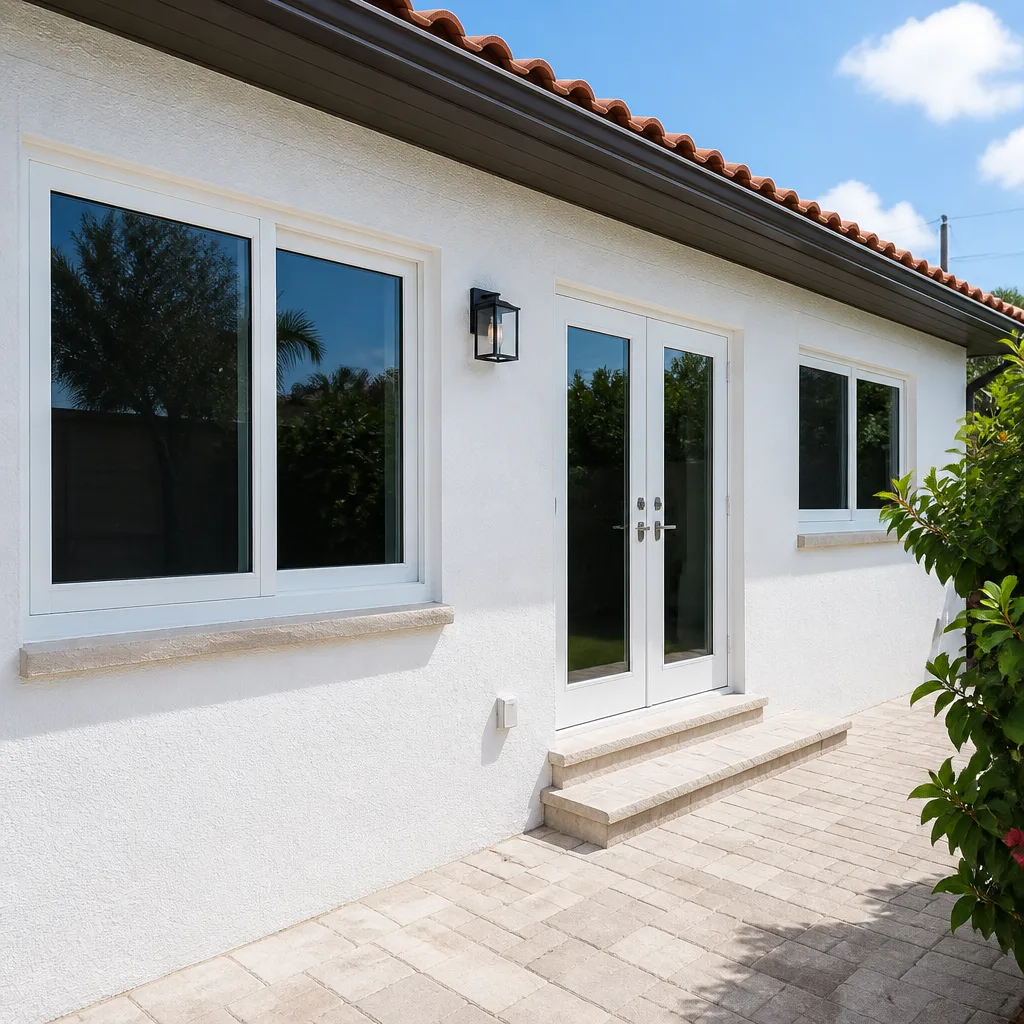 After
The Complete Guide to Windows & Doors in Hialeah
Most homeowners in Hialeah replace their windows for the wrong reason. They wait until a pane cracks, a frame rots, or a hurricane warning sends them scrambling for plywood. By then, they have spent years overpaying on air conditioning while their original single-pane aluminum frames conducted Florida heat straight into the living room. This guide covers what actually matters when choosing, buying, and installing windows and doors in Hialeah: the climate realities, the code requirements, the material tradeoffs, and the questions that separate a thirty-year window from a five-year disappointment. You will learn how to read a product label like an installer reads it, what Hialeah’s building department requires for impact ratings, and what a fair installation actually looks like from start to finish.
Quick Answer
Windows and doors in Hialeah must meet Miami-Dade County impact standards for windborne debris protection, which means choosing either impact-rated glass or code-approved shutters, and the most practical choice for most Hialeah homes is impact-rated windows and doors rated for the High Velocity Hurricane Zone. Expect to pay between $800 and $2,400 per opening installed for impact windows depending on size, material, and manufacturer line, with aluminum and vinyl dominating the Hialeah market over wood because of humidity and termite pressure. The single most important decision is not the brand name on the glass but the quality of the installation and the warranty registration paperwork that backs it.
Table of Contents
- Hialeah’s Climate and What It Does to Windows
- Hialeah Building Code: Impact Ratings and HVHZ Requirements
- Window Materials: Aluminum, Vinyl, and What Survives Here
- What Windows and Doors Cost in Hialeah
- The Installation Sequence: What a Correct Job Looks Like
- Doors in Hialeah: Entry, Sliding, and French Options
- Warranty Registration: The Keystone Standard Explained
- Common Mistakes to Avoid
- When to Call a Professional
- Frequently Asked Questions
Hialeah’s Climate and What It Does to Windows
Hialeah sits on a limestone ridge about ten feet above sea level, five miles inland from Biscayne Bay, baking under a tropical monsoon climate that gives us two real seasons: hot and hotter. We see roughly 60 inches of rain a year, most of it dumped between May and October in afternoon thunderstorms that can drop an inch of water in twenty minutes. Humidity averages above 70 percent year-round, and the summer sun drives surface temperatures on a west-facing wall past 140 degrees. Any window or door you install in Hialeah has to hold up against four things simultaneously: ultraviolet degradation, constant thermal cycling, relentless moisture, and the annual hurricane season that officially runs from June through November.
What this means in practical terms is that seals fail faster here than in drier climates. The insulating gas between double panes escapes through failed seals in seven to ten years on cheap units, and once that happens you get the fogged glass look that nobody wants on a front window. Frame materials matter too. Wood windows, which are perfectly fine in New England, struggle in Hialeah’s humidity: they swell, they bind, they invite termites. That is why the Hialeah market runs overwhelmingly on aluminum and vinyl frames, which is covered in more detail below.
Hialeah Building Code: Impact Ratings and HVHZ Requirements
Hialeah is not in a “wind zone,” it is in the High Velocity Hurricane Zone, which is the most stringent wind standard in the country. The Miami-Dade building code governs every replacement window and door installation in the city, and it requires one of two things for any opening: impact-rated glazing tested to withstand a 9-pound 2×4 fired at 34 miles per hour, or a code-approved shutter system rated for the same debris impact. If you are replacing windows in a home built before 1994, you almost certainly have standard annealed glass that would shatter under those conditions, which means the upgrade to impact-rated glass is not just insurance savings, it is a life-safety improvement.
A quick way to know if a window truly meets Hialeah code is to look for the Miami-Dade Notice of Acceptance, which is a specific approval number printed on the product label. If the label says only “ASTM E1996” or some out-of-state standard without the Miami-Dade NOA, it has not been approved for Hialeah. Any legitimate installer in this market will show you the NOA on request and will know the exact product approval for the size and configuration you are buying. We pull the NOA for every job we quote and write it on the quote line item. If a contractor cannot produce that document before you sign, walk away.
Doors get hit with the same requirement. An entry door with decorative glass panels needs to be impact rated or protected, sliding patio doors need impact glazing in most cases, and garage doors have their own wind-load ratings. Hialeah homeowners who install non-impact doors with the idea of “adding shutters later” often discover that later never comes, and the discount they got up front becomes an insurance premium surcharge every single year afterward.
Window Materials: Aluminum, Vinyl, and What Survives Here
Hialeah’s window market boils down to two dominant choices: aluminum and vinyl, with wood a distant third reserved for historic homes and specific architectural requirements. Understanding the tradeoffs before you start getting quotes will save you from making a $10,000 decision based on a sales pitch.
Aluminum frames dominate Hialeah’s older housing stock because they are strong, slim, and comparatively inexpensive. A thermally broken aluminum frame handles hurricane wind pressures well and resists warping in the heat. The downside is thermal conductivity: raw aluminum conducts heat efficiently, which is why older single-pane aluminum windows turn bedrooms into ovens by 3 p.m. Modern thermally broken aluminum solves much of this with a structural plastic barrier inside the frame, and it is the right choice for many Hialeah homes, especially those with large openings or demanding structural requirements. Expect to pay a premium for quality thermal-break aluminum, but it is money well spent here.
Vinyl frames have taken over much of the replacement market because they are affordable, energy-efficient, and never need painting. Good vinyl is a genuinely smart choice in Hialeah for standard window sizes. The caution is that not all vinyl is created equal: thin-walled vinyl frames sag and leak over time under Florida sun, while quality extruded vinyl with steel reinforcement holds square. When we quote vinyl, we specify the wall thickness and reinforcement in writing so the homeowner can compare what one company calls “vinyl” against what another company is actually installing.
Manufacturer lines matter because Hialeah’s conditions reward better engineering. Andersen and Pella both make impact-rated lines that carry Miami-Dade approvals, and Marvin builds excellent custom wood and clad windows for homeowners on the historic preservation track. We install more than a dozen manufacturer lines including these, which lets us quote side by side on paper so a homeowner sees the difference in glass packages, frame construction, and warranty terms in black and white before making a decision. If a company only sells one brand, you are getting a sales pitch, not a comparison.
What Windows and Doors Cost in Hialeah
Let us get specific about money, because vague pricing is how homeowners get surprised on the back end of a job. In Hialeah, a standard 36-by-60-inch impact-rated vinyl single-hung window installed runs between $800 and $1,400 per opening, depending on the manufacturer, glass package, and whether the existing frame needs full replacement or a retrofit insert. The same opening in thermally broken aluminum runs $1,200 to $2,000. Larger openings, custom shapes, and second-story access push the cost up from there. Entry doors in impact-rated configurations start around $1,500 and climb to $4,000 or more for premium fiberglass or clad wood units with side lites. Sliding patio doors fall in the $2,000 to $5,000 range depending on width and glass package.
These are installed prices, not big-box shelf prices. The difference matters because a window that costs $400 at a retail warehouse still needs to be installed, flashed, sealed, and permitted, and that labor is where Hialeah’s heat, humidity, and wind standards separate competent work from a future leak. Any quote you get should break the line item into product cost and installation cost. If it does not, ask for it. A contractor who will not put line items on paper is planning to hide something.
The honest answer on cost is that impact windows in Hialeah are an investment that pays back through reduced cooling bills, lower homeowners insurance premiums, and raised resale value. Florida building code requires impact-rated glass or shutters on new construction and major renovations, which means a home with modern impact windows is more valuable to the next buyer than the same house with 1990s single panes. The payback on energy alone is slower than a salesperson might suggest, but the insurance savings in Hialeah are real and ongoing.
A final note on seniors and veterans: TruePane offers a permanent 5 percent discount for both, and every quote is free. Call (386) 977-5410 and a real person answers, 24 hours a day, seven days a week. That is not a recorded line: it is a person sitting with us in the community we have served.
The Installation Sequence: What a Correct Job Looks Like
A correct window installation in Hialeah follows a sequence. When that sequence gets skipped, the failure may not show up for two or three years, but it will show up, and when it does, the leaking frame or fogged glass is always harder to fix than it would have been to install correctly. Here is the order of operations we follow on every job, written out so you know what to look for:
- Measure twice, order correctly. Every opening is measured at least twice, top and bottom, because Hialeah homes settle and old frames are rarely square. We record the measurements on the work order and verify the product tag against the order before it ever goes on hand.
- Pull the permit. Window and door replacements in Hialeah require permits when the opening size changes or when structural elements like lintels are touched. We pull the permit, schedule the inspection, and walk the inspector through the job when they arrive.
- Remove the old unit. The old frame comes out intact where possible. If the rough opening shows rot or termite damage, the repair happens now, not after the new window is installed.
- Flash the opening. We use code-approved flashing tape and sealant to direct water out and down, not into the wall cavity. This is the step that separates a dry wall from a mold problem five years later.
- Set the new window or door. The unit is shimmed level and square, then anchored through the frame into the surrounding structure, not just screwed through the nailing flange into drywall.
- Insulate and seal. The gap between the frame and the rough opening is insulated with low-expansion foam, never stuffed with fiberglass batting, which holds moisture against the frame.
- Trim and seal the exterior. The exterior is caulked with a sealant rated for Hialeah’s UV exposure, and the interior trim is installed only after the exterior is complete.
- Register both warranty layers. Before the technician leaves the driveway, the manufacturer warranty registration is completed in writing and a copy is handed to the homeowner, along with the installation workmanship warranty. This is the step most companies skip, and it is the step that matters most when something goes wrong.
That final step is worth repeating: we register both manufacturer warranty layers in writing and state the durations before we leave the job site. This is what we call the Keystone Standard, and it is the difference between a warranty that exists on paper and a warranty that can actually be enforced. Years of serving this community has taught us that homeowners do not get burned at the point of sale; they get burned three years later when the warranty turns out to be a phone number that never answers.
Doors in Hialeah: Entry, Sliding, and French Options
Doors in Hialeah have to do two jobs that doors in Minneapolis do not: they have to hold off hurricane wind pressure and they have to keep working smoothly through humidity swings that would bind a poorly hung door shut by August. The three most common door types we install in Hialeah are entry doors, sliding patio doors, and French doors, and each one has specific considerations for this climate.
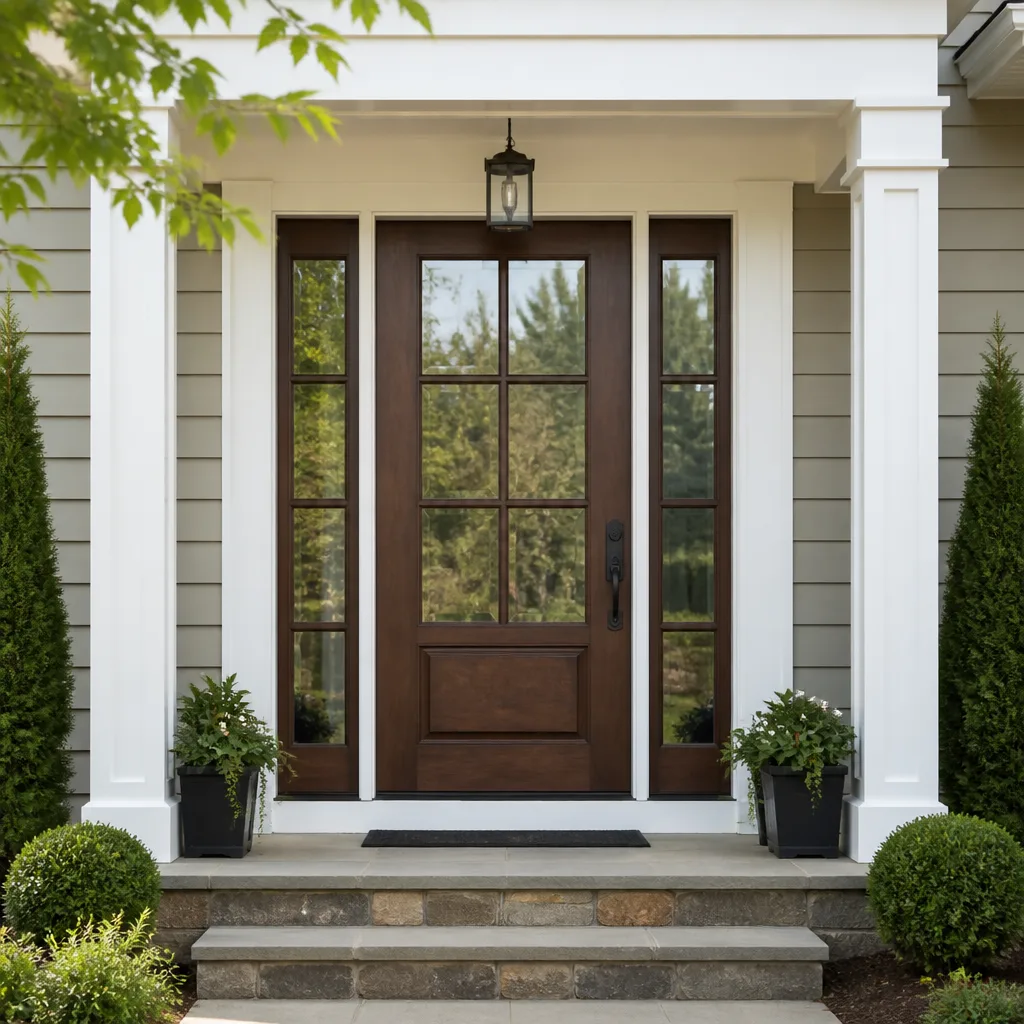
Entry doors in Hialeah should be impact rated or protected, which means either a solid wood or steel door with a code-approved assembly or a fiberglass door with impact glazing in any decorative glass. Fiberglass has become the pragmatic choice for Hialeah’s climate: it does not swell, it does not rot, and it accepts paint well enough to look appropriate on any home from the 1950s ranches near Palm Springs to the newer construction in the west end of the city. Steel doors work too, but they rust in coastal air, which makes them a second choice within a few miles of salt water.
Sliding patio doors are the workhorses of Hialeah’s back patios, and impact-rated versions are now the standard. The key thing to check on a sliding door in Hialeah is the track system: cheap tracks clog with sand and the doors grind to a halt within a year. We install sliding doors with stainless steel rollers and a track design that sheds debris instead of collecting it. If you have a sliding door that sticks or jumps the track, that is a repair we address on a service call, typically within a single visit.
French doors add light and elegance but they have more moving parts to fail. The threshold seal has to be right or every summer thunderstorm drives water into the living room. We set French door thresholds with a welded sill pan underneath, which gives the water a place to go that is not your floor. It costs more than a simple threshold drop, and it is the reason our French door installs do not come back with leak complaints.
Warranty Registration: The Keystone Standard Explained
Every window and door you buy carries two warranties: the manufacturer’s warranty on the product and the installer’s warranty on the workmanship. The manufacturer warranty covers glass seal failure, frame defects, and hardware failures. The installation warranty covers what happens when the product was installed incorrectly: leaks around the frame, drafts, improperly sealed openings, doors that bind. Both warranties matter, and both are worthless if they are not registered in writing.
What we see in Hialeah, and what we have seen in this trade, is that the vast majority of window and door companies never register the manufacturer warranty on the homeowner’s behalf. They hand over a product brochure and wave vaguely at a website. Six years later, when the seal fails and the glass fogs, the homeowner calls the manufacturer and discovers the warranty was never activated, or the coverage period has lapsed, or the fine print exempts the exact failure they are experiencing.
The Keystone Standard is our written commitment on every job: both manufacturer warranty layers are registered in writing before the technician leaves the driveway, the durations are stated on your paperwork, and the installation workmanship is guaranteed for 90 days under our Done Right Promise. If something is not done right, we make it right. No paperwork fights, no arguing about fine print. The whiteboard in our shop has the same rule it has had: if the pane is not true, the job is not done. You can read more about how we work at the TruePane Windows & Doors home page.
Common Mistakes to Avoid
- Choosing the cheapest impact window without checking the NOA. A window that carries an out-of-state impact rating but no Miami-Dade Notice of Acceptance will fail a Hialeah inspection, and you will pay to replace it twice.
- Replacing windows without pulling a permit. Unpermitted work shows up on your property record and becomes a problem at resale when the buyer’s inspector finds the non-compliant installation.
- Ignoring the existing frame condition. Installing a beautiful new window into a rotted or termite-damaged opening is like painting over rust: the problem is still there, now hidden behind a brand-new product.
- Trusting a verbal warranty. If the warranty terms are not written down with the durations stated, you do not have a warranty. You have a conversation.
- Skipping the glass package comparison. Low-E coatings and argon gas fills perform differently. In Hialeah’s heat, a standard double pane without Low-E will not deliver the cooling savings you are hoping for.
- Putting off door replacement because “it still works.” A door that binds in July or lets water in during a thunderstorm is failing, and each month of delay makes the underlying frame damage worse.
- Hiring based on the lowest bid without checking who actually shows up. An installer that subs the work to a day laborer with a pickup truck is not the same as a company that sends background-checked, uniformed technicians and stands behind the work.
When to Call a Professional
Some window and door work is genuinely within a competent DIY owner’s reach: recaulking a window exterior, lubricating a sliding door track, replacing a worn weatherstrip. The work that requires a professional is anything that touches the structural opening or the glass itself. Impact window and door installation in Hialeah requires a permit, a product with the right NOA, and an installation sequence that keeps water out of your wall cavity for decades. That is not a weekend project. If you have a fogged double pane, a frame that leaks during thunderstorms, a door that binds shut, or you are ready to upgrade to impact-rated windows that will actually pass a Hialeah inspection, the right call is a professional estimate. TruePane Windows & Doors offers free estimates in Hialeah. Call (386) 977-5410 and a real person answers.
Frequently Asked Questions
Hialeah building code allows either impact-rated windows or code-approved shutters for windborne debris protection, and both satisfy the legal requirement. Impact windows provide permanent, passive protection that never requires you to be home to deploy them, while shutters are a lower upfront cost that trade protection for the ongoing hassle of installation and the risk that you are away when a storm approaches. Call (386) 977-5410 for an exact comparison on your home.
For a typical three-bedroom Hialeah home with 12 to 15 openings, full impact-rated replacement runs between $12,000 and $28,000 depending on frame material, manufacturer line, and whether the openings require full-frame replacement or retrofit inserts. The exact quote depends on sizes, existing frame condition, and accessibility, and our estimates are free with line-item pricing on paper.
A retrofit window fits inside the existing frame and replaces only the glass and sash, leaving the original frame in place. A full frame replacement removes everything down to the rough opening and starts fresh. Retrofit is less expensive and works well when the existing frame is sound; full replacement is the right call when there is rot, termite damage, or the opening is out of square.
Quality impact windows installed correctly in Hialeah typically last 25 to 40 years, with the seals on double-pane units remaining intact for 15 to 25 years depending on glass package and exposure. Cheaper units and poor installations can fail within a decade, which is why the warranty registration and installation quality matter more than the brand name alone.
Most Hialeah homeowners see a meaningful reduction in windstorm insurance premiums after installing Miami-Dade approved impact windows, often in the range of 15 to 40 percent depending on the carrier and the home’s location. The exact savings depend on your policy, and we recommend calling your agent with the product NOA before installation to confirm the discount.
The Done Right Promise covers the workmanship on every TruePane installation, guaranteeing that if something is not done right, we make it right within 90 days, with no paperwork fights and no arguing about fine print. It is backed by The Keystone Standard, which registers both manufacturer warranty layers in writing before the technician leaves the driveway. Call (386) 977-5410 for a free estimate in Hialeah.
The Bottom Line
Windows and doors in Hialeah are not a commodity purchase, they are a long-term structural investment in the exact climate conditions that punish cheap materials and sloppy work. The right window is impact rated with a Miami-Dade NOA, framed in thermally broken aluminum or quality reinforced vinyl, and installed by a company that pulls permits, flashes the opening correctly, and registers both warranty layers in writing before leaving the driveway. The right door holds hurricane wind pressure, sheds water away from the threshold, and keeps working smoothly through Hialeah’s humidity swings. The right company stands behind it. We have served this community, and we plan to be here in thirty more.
Call (386) 977-5410 to schedule your free Hialeah estimate. A live person answers, 24 hours a day, seven days a week.
Written by the team at TruePane Windows & Doors.
Six Reasons Homeowners Choose TruePane Windows & Doors
Impact systems engineered to design pressures up to +/-100, matched to your wind zone - your openings hold when the storm arrives.
Low-E insulated impact glass from our manufacturer lines commonly cuts monthly cooling bills 20-30%.
Laminated impact glass shuts out up to 40% of outside noise - traffic, neighbors, weather.
Monitoring services run $30-90 a month. Laminated impact glass resists forced entry around the clock, with no subscription.
Florida homeowners average around 25% savings on the windstorm portion of their policy after protecting every opening - some homes qualify for more.
A full impact package upgrades curb appeal, buyer confidence and appraised value in one project.