
Last updated August 27, 2026
Free in-home measure and quote - PGT, CGI and CWS impact lines compared on your actual openings, style by style
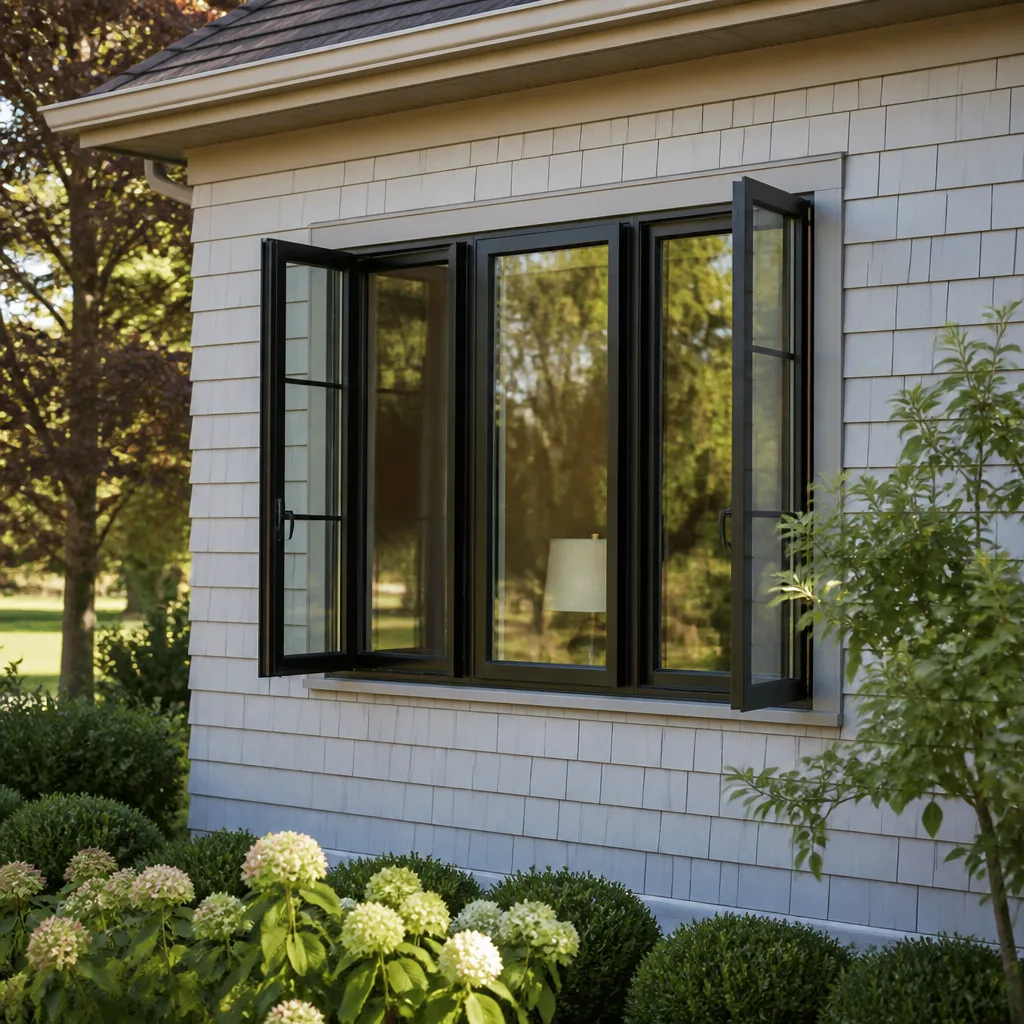
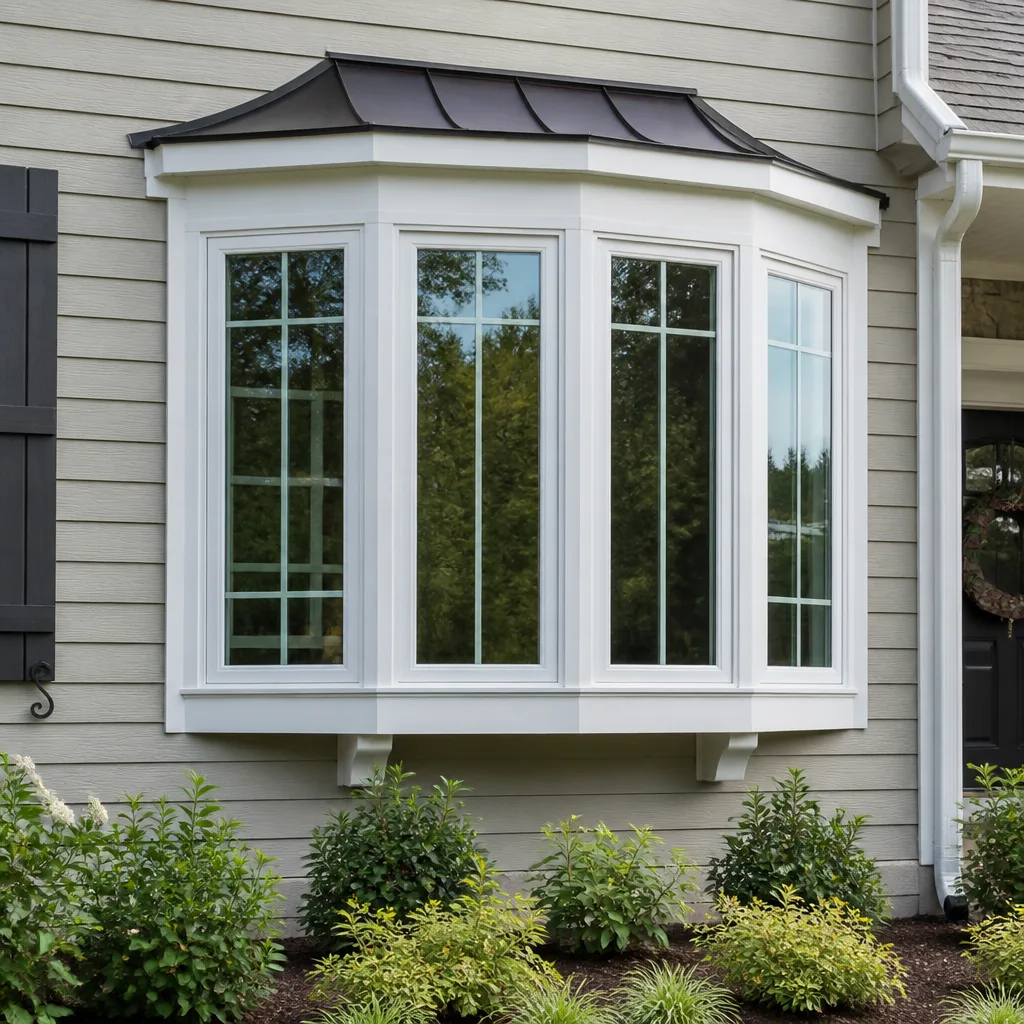
Sliding glass doors

Impact garage doorsPGTCGI
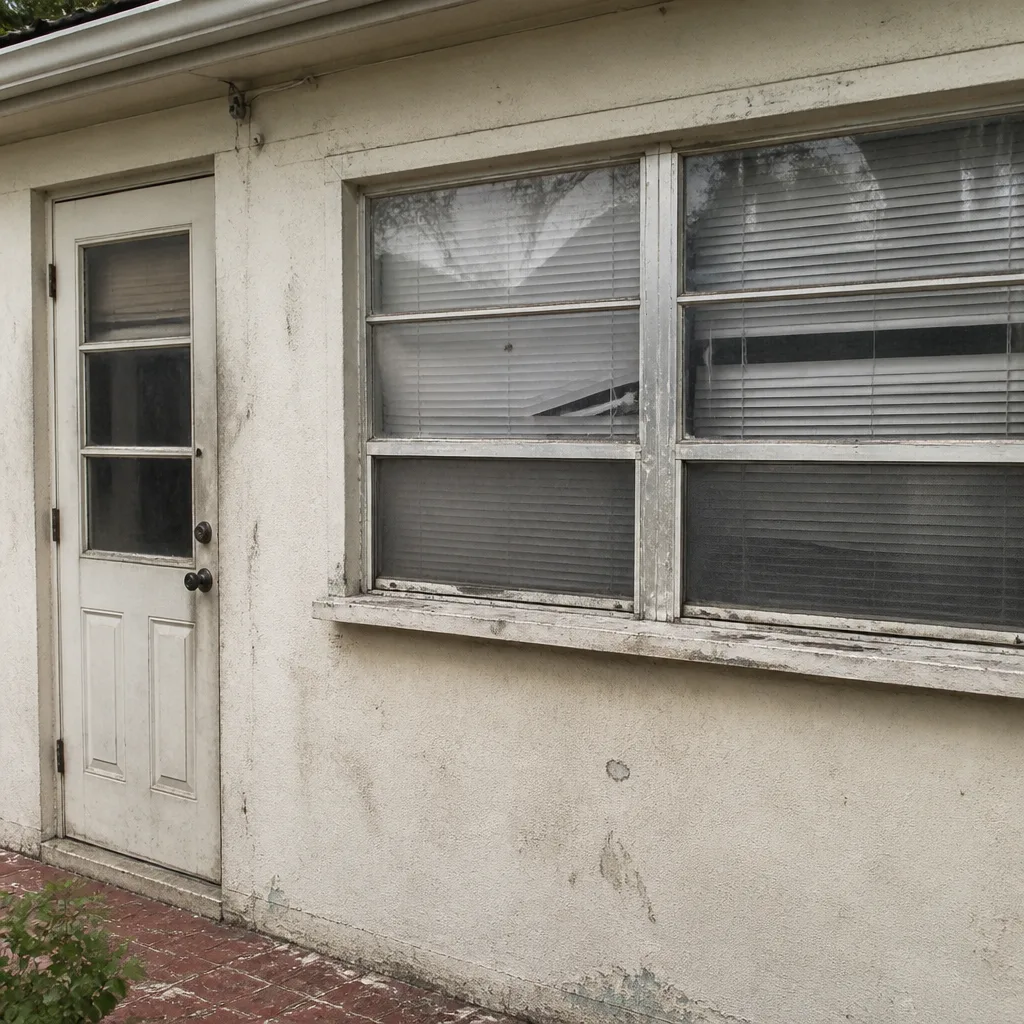 Before
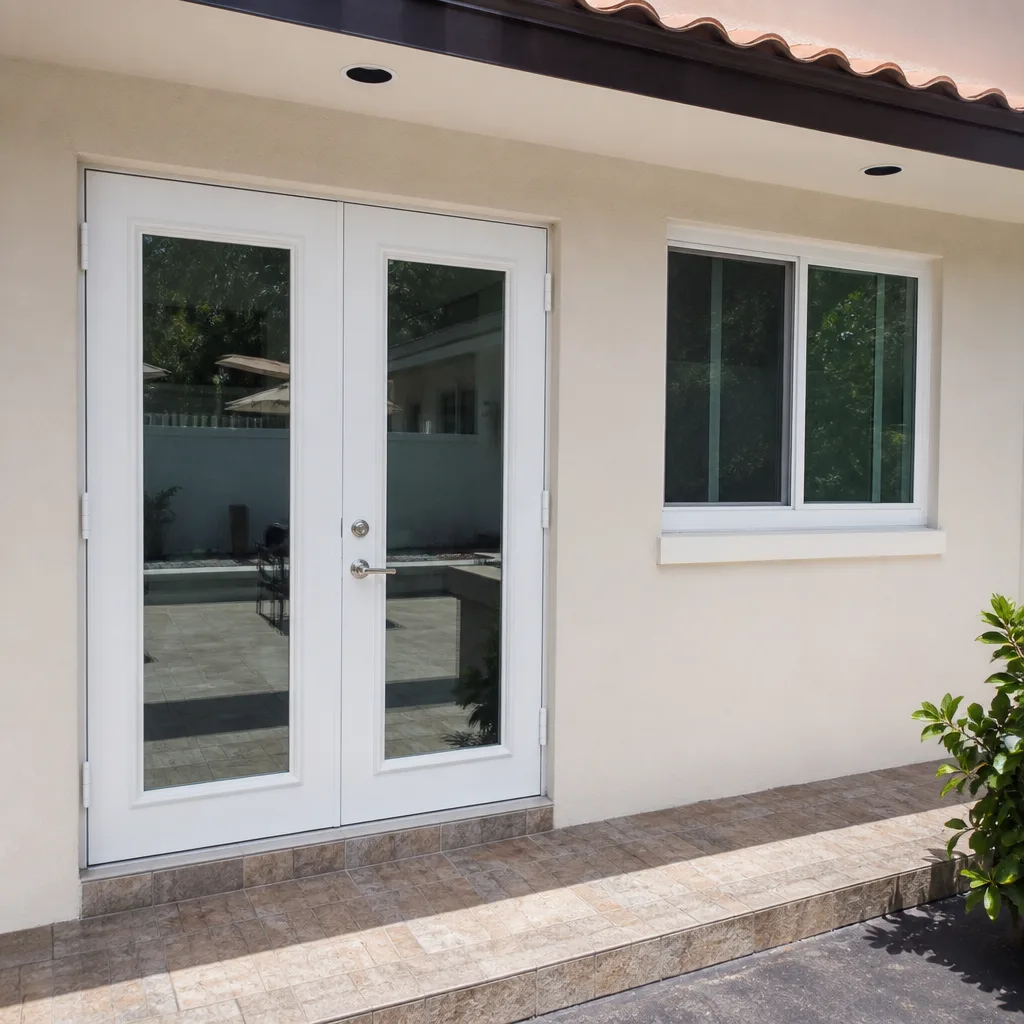 After
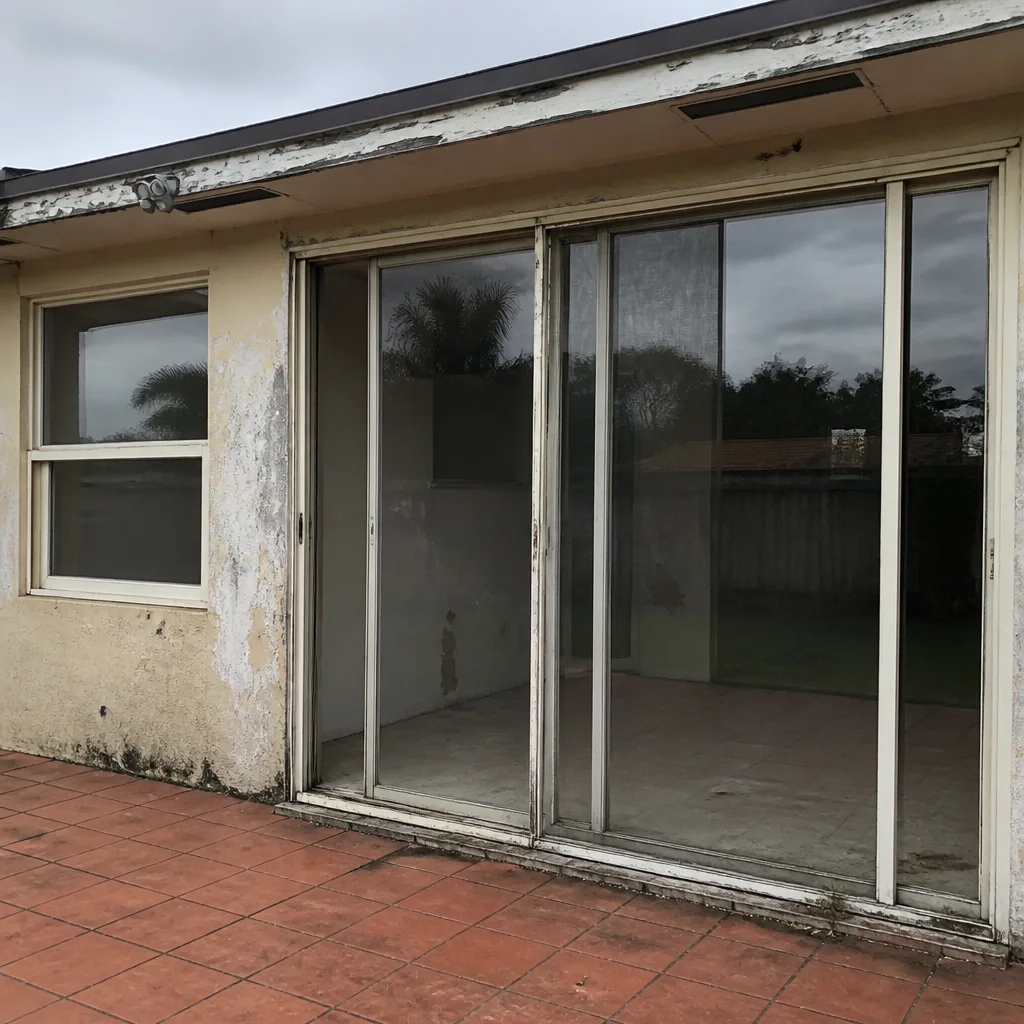 Before
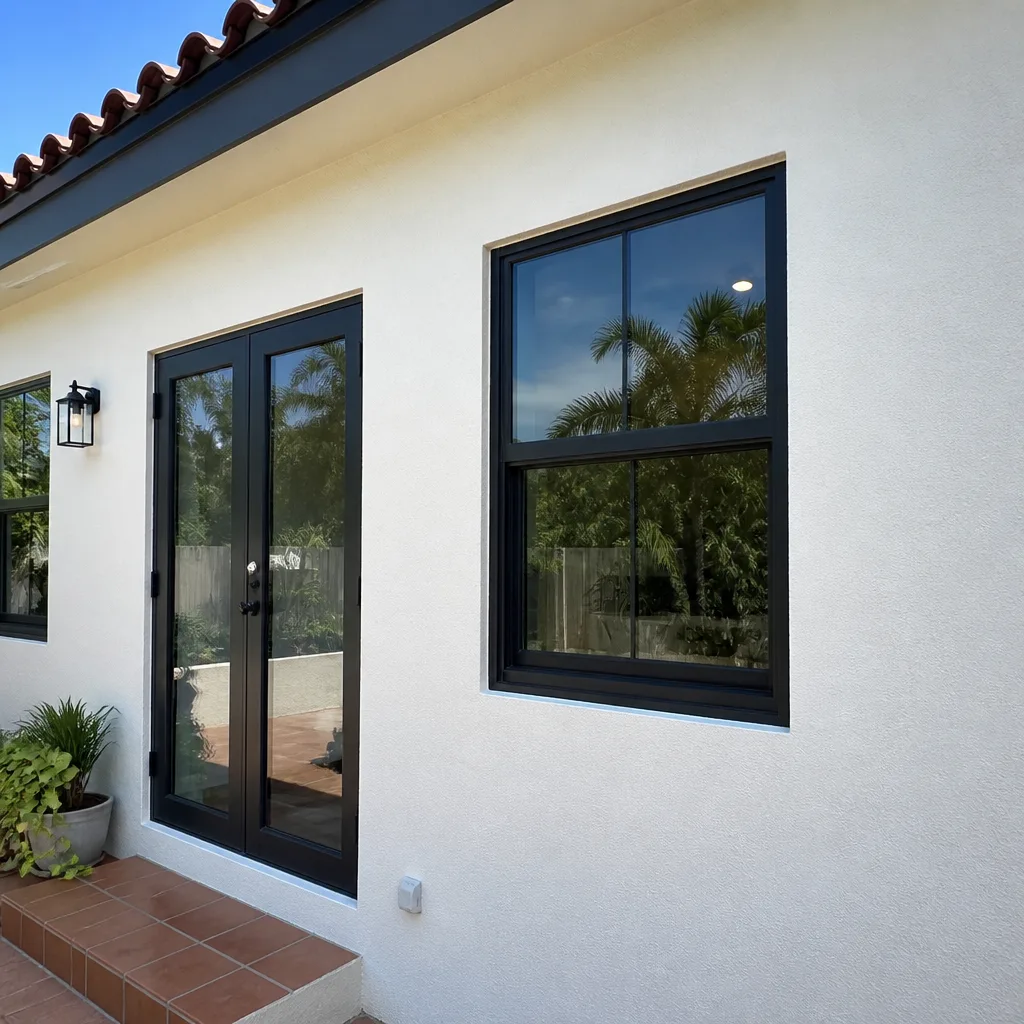 After
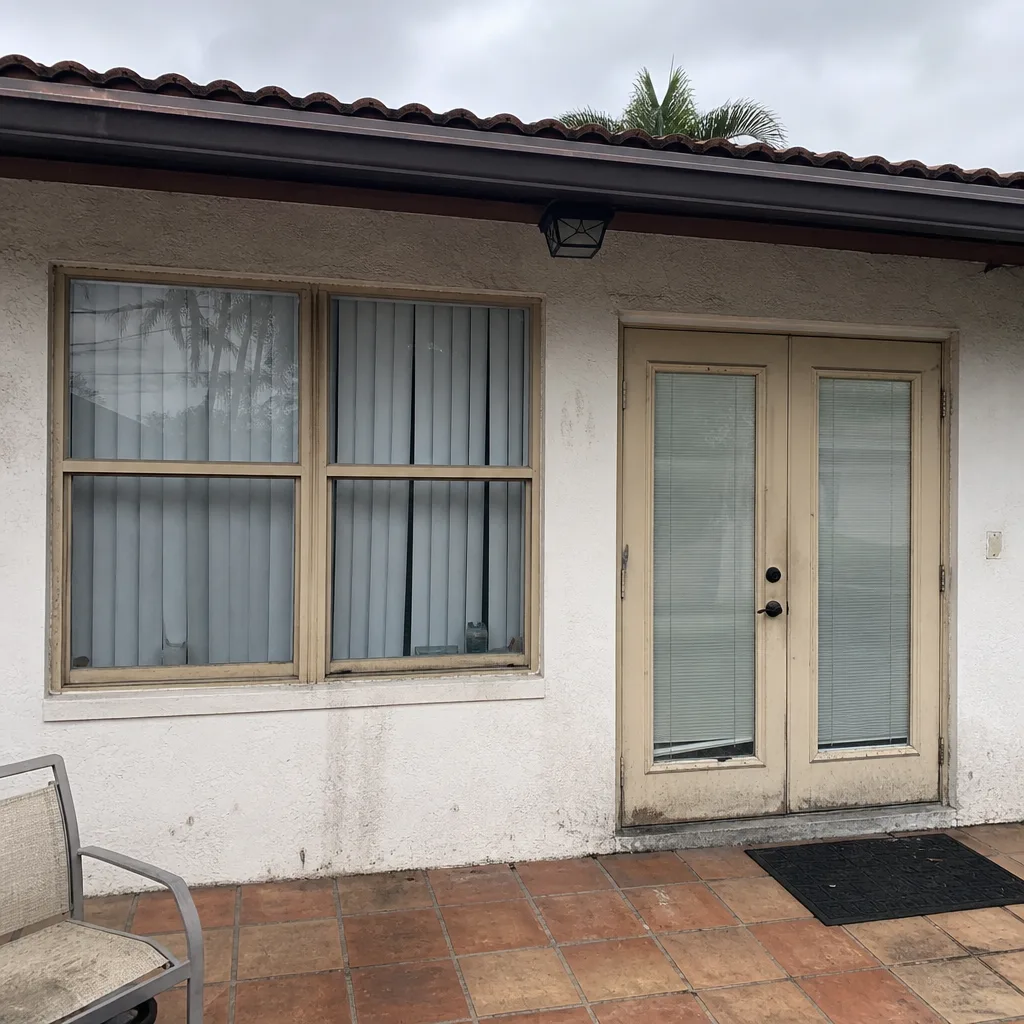 Before
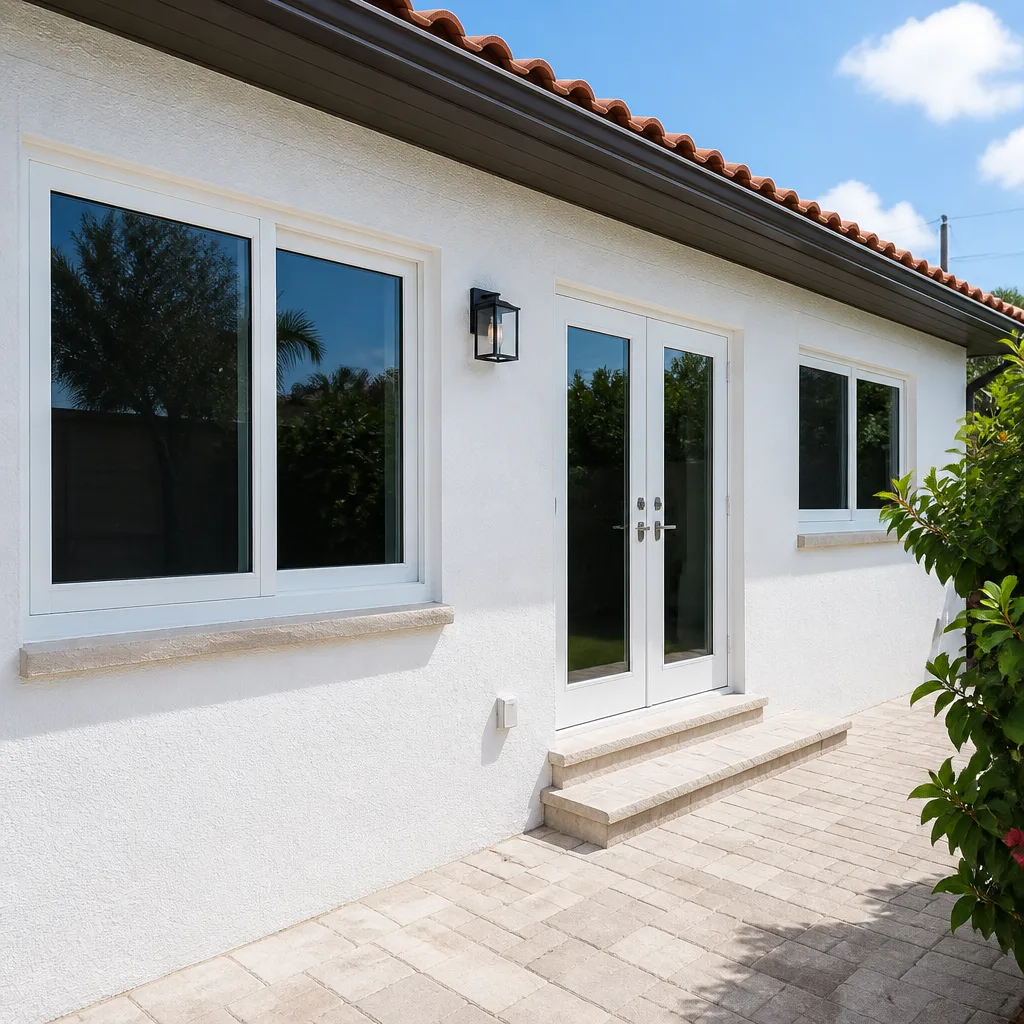 After
Window Installation Maintenance Checklist for Hialeah Homeowners
Here’s a number that surprises most Hialeah homeowners: a window installed correctly can last 30 years, but the same window installed into an out-of-true opening can fail its seal within three. Hialeah’s combination of hurricane-force wind loading, salt air that works its way into every milled edge, and July humidity that pushes 90 percent means your windows are working harder than windows in nearly any other climate in the continental United States. This guide walks through what a proper installation actually looks like in Hialeah, what maintenance keeps it performing, and what tells you the original installer cut a corner that’s now costing you money every month on your FPL bill. You’ll learn the installation checklist we use ourselves, the maintenance rhythm that fits Hialeah’s seasons, and the specific failure signs that mean a window needs professional attention rather than another coat of caulk.
Quick Answer
A window installation done right in Hialeah starts with a verified-square rough opening, uses a continuous sill pan flashing that drains to the exterior, seats the window with shims at every anchor point, and air-seals the perimeter before any trim goes up. After installation, maintenance is a twice-yearly routine: clean the tracks, inspect the weep holes, test the seal around the glass, and re-apply sealant where Miami-Dade sun has broken it down. Windows that fog between the panes, bind when you operate them, or leak water at the sill in an afternoon thunderstorm have failed at the installation level and need a qualified glazier to correct them.
Table of Contents
- What a Done-Right Install Looks Like in Hialeah
- The Hialeah Climate Factor: Why Maintenance Is Not Optional Here
- The Seasonal Maintenance Rhythm for Hialeah Homes
- Inspecting Seals, Weatherstripping, and Caulk
- Track and Hardware Care for Sliding Windows and Doors
- Impact Window and Shutter-Specific Checks
- Common Mistakes to Avoid
- When to Call a Professional
- Frequently Asked Questions
- The Bottom Line
What a Done-Right Install Looks Like in Hialeah
Most window failures in Hialeah are not manufacturing defects. They are installation errors that took months or years to become visible. A window that binds in August, a drywall crack running diagonally from a window corner, a fogged pane eighteen months after the truck left: these are the fingerprints of an installer who did not square the opening or seat the window properly. The TruePane Windows & Doors home page explains our full installation standard, but here is what we check on every job in Hialeah and what you should look for if you’re evaluating an install or a quote.
The installation checklist we work from, in order:
- Verify the rough opening is square and plumb. Hialeah homes built before Hurricane Andrew often settled unevenly over the decades. An out-of-square opening forces the window frame into a twist that will crack the glass unit eventually. We measure diagonal corners and correct with the proper casing before the window ever goes in.
- Install a continuous sill pan flashing. This is the single most skipped step in South Florida window installation. Water that gets past the exterior face of the window must land on a sloped pan that drains outside the wall, not into the framing. In Hialeah’s afternoon downpours, this detail alone determines whether the wall rots.
- Set the window on shims at every anchor point. Shims transfer the window’s load to the framing and keep the frame square as anchors are driven. A window set without shims sags over time. That’s the window that binds at the top corner in July.
- Anchor at the manufacturer-specified spacing. Every manufacturer line has a maximum anchor spacing that the installation instructions require. Anchors too far apart allow the frame to flex under wind load, which breaks the air seal. For Hialeah’s wind zone, this is not a place to guess.
- Air-seal the full perimeter. The gap between the window frame and the rough opening gets sealed with low-expansion foam or backer rod and sealant, not fiberglass insulation batts stuffed in from a bag. This is where Hialeah’s humidity enters the wall cavity if it’s done wrong.
- Flash the head and sides before trim. Head flashing sheds water away from the top of the window. Side flashing laps so that water always drains out, never in. Trim goes on last, after the flashing is in place and tested.
- Square the sash and test operation. The window should open, close, and lock with even pressure. If it doesn’t, the install is not done.
In our experience working across Hialeah, Palm Springs North, and Miami Lakes, the homes that have had second- and third-generation window replacements done by the lowest bidder show the same pattern: no sill pan, minimal shims, caulk where flashing should have been. The window looks fine for two years. Then the drywall starts staining below the sill, and the homeowner is calling us to find out why a “new” window is leaking.
The Hialeah Climate Factor: Why Maintenance Is Not Optional Here
Hialeah sits far enough inland to avoid the ocean breeze that cools Miami Beach, but close enough to the coast that salt air still travels on the wind. Homes in the city deal with four simultaneous assaults on window systems: intense UV exposure that breaks down sealants faster than almost anywhere else in Florida, humidity that hovers near saturation for months, daily thunderstorms in the wet season that dump water against walls and window openings, and hurricane wind loading that stresses every anchor point and frame joint. A window that would perform fine in Orlando for fifteen years can show seal failure in Hialeah in eight.
This is why the maintenance rhythm matters. The sealant that looked perfect in February may be cracked and pulling away from the frame by September. The weep holes that drain a window track can clog with wind-blown debris, tree pollen, and insect nests in a single season. When weep holes clog, water pools in the track. In Hialeah’s rain, that pooled water finds its way into the wall. What started as a clogged weep hole becomes a rotted sill and a mold problem inside the wall cavity.
UV damage is the other silent factor. The sun in Hialeah does not fade window frames gradually; it hardens and cracks sealant, weatherstripping, and the exterior gaskets that keep water and air out. If you’ve ever run a finger along a window seal in July and felt it crumble like dry putty, that’s the UV breakdown we mean. The fix is simple and cheap when caught early: clean the surface, apply fresh sealant rated for South Florida exposure. The repair after years of neglect is a full window pull and reset.
The Seasonal Maintenance Rhythm for Hialeah Homes
Hialeah doesn’t really do four seasons, but it does have two distinct maintenance windows. Thinking of it as a twice-a-year rhythm keeps the work manageable and catches problems at the right time. Here’s the schedule we recommend to homeowners, based on what we’ve seen work over years of servicing windows throughout the city.
Late spring, before the wet season starts (April to early May):
- Wash every window inside and out with mild soap and water. Dirt and salt buildup on glass and frames accelerates sealant breakdown and gives you a false reading on seal condition.
- Inspect the exterior caulk and sealant beads around every window and door. Look for cracks, gaps, pulling away from the frame, or chalky texture. Mark any suspect areas with painter’s tape for repair.
- Check weep holes at the bottom of sliding window tracks and door frames. Clear them with compressed air or a soft brush. In Hialeah, these clog fast, and a clogged weep hole is the start of most sill leaks we see.
- Clean the tracks with a vacuum crevice tool, then wipe with a cloth. Do not lubricate the track itself. Lubricate the rollers and locking mechanisms with a dry silicone spray, not WD-40, which attracts dirt.
- Test every window: open, close, lock, unlock. It should move with even resistance and lock without forcing. A window that binds is telling you something has shifted.
- Remove screens and wash them. Bent or torn screens get repaired now, before summer insects arrive.
Late fall, after hurricane season winds down (November to early December):
- Repeat the full inspection: seals, weatherstripping, weep holes, operability. A window that survived the summer storms may have loosened anchors or cracked sealant that you’ll catch now.
- Re-apply sealant to any areas that cracked or shrank during the summer sun. This is the single highest-value maintenance task for Hialeah homeowners: it costs little and prevents the most expensive repairs.
- Inspect the interior side of every window for water stains, bubbling paint, or drywall discoloration below and beside the opening. These are signs water got past the exterior seal during the wet season.
- Check the glass units for fogging between panes. Temperature swings between summer heat and cooler winter mornings are when a compromised seal shows itself. If you see fog that doesn’t wipe off, the sealed unit has failed.
- For impact windows, verify the laminated glass is intact and the heavy-duty frames show no cracks, warping, or loose anchors from storm-related wind loading.
- Lubricate locks and hardware again. A dry silicone spray is all you need. Doors that drag on the track may need roller adjustment, which is a fifteen-minute professional fix.
Inspecting Seals, Weatherstripping, and Caulk
Hialeah’s sun works on window seals like a belt sander. Manufacturers rate their exterior sealants for UV exposure, but those ratings rarely account for the combination of intense sun, salt residue, and humidity that Hialeah delivers. You’ll want to actually touch the sealant with your fingers during inspection, not just look at it. Sealant that has started to fail feels chalky, brittle, or powdery. Sealant in good condition is slightly flexible and sits tight against both surfaces with no visible separation lines.
What to look for on the exterior:
- Separation at the frame-to-wall joint. Where caulk meets stucco or siding, look for a visible hairline gap. This is the first stage of water entry.
- Cracking at the glass-to-frame joint. On the glazing bead, hairline cracks let water sit against the glass unit edge, which eventually breaks the seal between panes.
- Chalky texture. Run a finger across the bead. If it leaves a white residue on your skin, the sealant’s surface has degraded and water is no longer shedding correctly.
- Missing or hardened weatherstripping. The fuzzy or rubber gasket around operable sashes compresses with age. When it no longer springs back, air and water get past it.
On the interior, check the same window positions for dark stains at drywall corners, bubbling paint below the sill, or a musty smell that appears after rain. These are the marks of water that got past the exterior seal and traveled into the wall. By the time you see staining on the inside of a Hialeah home, the problem has been working for a while.
For homeowners who want a professional set of eyes on the seals, TruePane Windows & Doors offers a maintenance check that includes the full inspection and the small adjustments that prevent the big bills. It’s a good option for the homeowner who has lived in the house for twenty years and wants to know exactly where the windows stand without climbing a ladder.
Track and Hardware Care for Sliding Windows and Doors
Sliding windows and sliding glass doors are the workhorses of Hialeah homes, particularly in ranches and mid-century builds that make up a large share of the city’s housing stock. They also take the most abuse: sand, dirt, leaf debris, and salt residue collect in the bottom track, and every cycle grinds that grit into the rollers and track surface. A sliding door that starts to drag or make a grinding noise is telling you that the rollers are wearing against debris, not gliding.
The maintenance is straightforward, and we do it in this order:
- Vacuum the track first. A crevice tool gets out loose dirt, sand, and dead insects. Do this before any liquid touches the track so you’re not creating grit paste.
- Wipe with a damp cloth and mild cleaner. Dish soap in warm water is fine. Avoid harsh solvents that can damage the track coating.
- Clear the weep holes. The weep holes at the base of the track drain water to the exterior. Use compressed air or a thin, soft probe to clear them. In Hialeah, we regularly find these clogged with pollen, ant nests, and wind-blown debris.
- Lubricate the rollers, not the track. A dry silicone spray on the roller assemblies keeps them moving freely. Never use oil-based lubricants in a Florida sliding track; they collect sand and turn into grinding compound.
- Check the door or window alignment. If the panel sits lower on one side or the gap at the top varies, the rollers need adjustment. This is a shim-and-screw adjustment that a technician does in fifteen minutes. It prevents premature roller failure and frame wear.
For sliding glass doors in Hialeah, pay special attention to the threshold. A worn threshold seal lets water run under the door during heavy rain. If you see water pooling inside the door after a summer thunderstorm, the threshold or the door’s bottom sweep has failed. That’s a fix worth making before the rainy season hits full force, because the water that runs under the door is running onto your floor every time it storms.
Impact Window and Shutter-Specific Checks
Hialeah falls under the Miami-Dade High Velocity Hurricane Zone, which means impact windows and doors are not optional upgrades here; they’re what the building code requires for any new installation or replacement. The laminating layer inside impact glass holds the pane together under impact, but it also adds maintenance considerations that standard windows don’t have. A well-maintained impact window performs in a storm. A neglected one may still pass inspection but fail when it matters.
Key checks for impact windows and doors in Hialeah:
- Verify the glass lamination is intact. Look closely at the edges of the glass unit. Any delamination, separation between layers, or clouding at the edges means the laminate is breaking down. This compromises the window’s impact rating.
- Inspect the frame anchors. Impact windows are heavy. The anchors that hold them into the wall take real stress during wind loading. Check for cracked stucco or shifting around the frame corners, which can signal anchor movement.
- Check the interlock and locks. Impact windows and doors lock in multiple places along the frame. Each lock point must engage fully. A window that only partially locks is not sealed against wind-driven rain or intrusion.
- Inspect gaskets and seals for compression set. The rubber gaskets that seal impact units harden with age and exposure. If they no longer spring back when pressed, they need replacement.
- Confirm the product approval label is still attached. Miami-Dade requires notice of acceptance, and insurance companies check these records. A missing label can create problems with your insurer after a claim.
If you have accordion or roll-down shutters instead of impact glass, the maintenance is different. Track systems need cleaning and lubrication twice a year. The shutter blades themselves should be checked for dents or corrosion where the salt air has worked on the metal. A shutter that does not deploy smoothly is a liability in the thirty minutes before a storm makes landfall.
For Hialeah homeowners who want to understand the difference between impact window and shutter options, the brands matter. We work as an authorized installer for Andersen, Pella, and Marvin, among others, and we quote them side by side on paper so the homeowner sees exactly what they’re buying and what each line’s impact rating actually is. Not every “impact” window meets the same standard, and the labels do not all mean the same thing. We explain the difference before you spend a dollar.
Common Mistakes to Avoid
- Caulking over failed caulk. New caulk applied over old, cracked sealant looks fine for a season, then fails from underneath. The old bead has to come out before the new one goes in. We see this constantly across Hialeah homes where a handyman “resealed the windows” for a few hundred dollars.
- Using the wrong lubricant on tracks and rollers. WD-40 and other oil-based sprays attract sand and grit, which grinds down rollers faster. Dry silicone is the correct product. This one mistake shortens the life of sliding door hardware by years.
- Painting over weep holes. A fresh coat of exterior paint can cover the small drainage openings at the base of window tracks. When water has nowhere to go, it goes into the wall. After any exterior painting in Hialeah, check that every weep hole is still open.
- Ignoring a window that binds, because “it still opens.” A window that requires extra force or closes unevenly has a frame alignment problem. Left alone, the stress cracks the glass unit or damages the hardware. Either repair costs more than the adjustment would have.
- Replacing only the glass on a failed unit without addressing the cause. If moisture got between the panes, something failed at the installation level: a bad seal, a missing sill pan, or an out-of-square frame. New glass in the same bad opening will fail again. The opening needs correcting, not just the glass swapped.
- Buying windows online and hiring the lowest bidder to install them. Hialeah’s wind zone and humidity make installation the difference between a window that lasts twenty years and one that leaks in eighteen months. A manufacturer warranty covers the product, but if the installation is defective, the warranty often doesn’t cover the labor to pull and reset it. That’s the expensive lesson we get called in to fix.
- Skipping the annual seal inspection because the windows are “new.” New windows in Hialeah still face the same sun, salt, and humidity as old ones. The sealant and weatherstripping need the same inspection. Catching a small crack in year one prevents a big repair in year five.
When to Call a Professional
Some maintenance is a homeowner’s job. Cleaning tracks, clearing weep holes, checking seals, and lubricating hardware are all within reach. Other items need a glazier’s tools and experience to catch before they become structural problems. Call a professional when you see water stains on the interior wall below a window, because that means water has already breached the exterior envelope and you need to find exactly where. Call when a window fogs between the panes, which means the sealed unit has failed and needs to be replaced under warranty if it’s covered, and the window reseated if it isn’t. Call when a window binds hard, when a frame shows visible warping or cracking after a storm, or when an impact window’s lamination looks separated at the edges. These are not caulk-and-patch situations. They are got-to-be-done-right situations, and in Hialeah’s climate, the longer a failed window sits, the more damage it does to the wall around it. TruePane Windows & Doors offers free estimates in Hialeah. Call (386) 977-5410 and we’ll send a background-checked, uniformed technician to measure, diagnose, and give you a written line-item quote. No surprise charges on the bill, and a live person answers the phone every time.
Frequently Asked Questions
Twice a year. A full inspection in late spring before the wet season starts, and a second check in late fall after hurricane season winds down. The spring inspection catches sealant and weep hole issues before the daily thunderstorms arrive. The fall inspection catches storm damage and any seal deterioration from the summer sun.
A window installed incorrectly in Hialeah usually shows one of three symptoms within the first two to three years: fogging between the panes, water staining below the sill on the interior wall, or a sash that binds and needs force to open and close. All three point to installation-level problems, not manufacturing defects. In our experience, the most common root cause is an out-of-square rough opening that was never corrected before the window went in.
DIY maintenance costs very little: a tube of quality exterior sealant costs between $8 and $20, a can of dry silicone lubricant is under $10, and the time commitment is a few hours twice a year. Professional help varies by what’s needed. We charge $89 for a Maintenance Visit that includes a full inspection and the small adjustments that prevent bigger problems. Repairs like seal replacement, roller adjustment, or a glass unit replacement are quoted up front in writing. Call (386) 977-5410 for an exact quote on your windows.
Yes. Impact windows have laminated glass and heavier frames with multiple locking points, and both need specific attention. Check the glass edges for delamination, verify every lock point engages fully, inspect the frame anchors for shifting, and confirm the Miami-Dade product approval label is still attached. These checks matter for both storm performance and insurance purposes. Impact windows that pass a visual inspection but have compromised lamination provide less protection than the rating suggests.
No. A fogged window means the seal between the glass panes has failed and moisture has entered the sealed unit. There is no practical DIY fix for this. The glass unit needs replacement, and the cause of the seal failure needs to be addressed so the new unit doesn’t fail the same way. In Hialeah’s humidity, a fogged window will only get worse, and the moisture trapped between the panes signals that the window’s insulating performance is gone.
Quality windows installed correctly in Hialeah last 20 to 30 years before the frames or glass units need major attention. The same windows installed poorly may fail within 3 to 8 years. The difference comes down to installation quality and the maintenance rhythm. Windows that get their seals inspected and refreshed twice a year consistently outlast windows that get ignored until a problem appears. That’s why we register both warranty layers in writing on every job and stand behind the work for 90 days with our Done Right Promise, so the homeowner knows exactly what’s covered and for how long.
The Bottom Line
Hialeah’s climate does not forgive shortcuts in window installation, and maintenance is the difference between a window that lasts thirty years and one that fails in five. The checklist is simple: inspect seals and weep holes twice a year, clean tracks and lubricate hardware with dry silicone, test every window for smooth operation, and watch for the early signs of trouble: fogging, staining, binding, crumbling sealant. Catch these early and the repairs are small. Ignore them and the wall pays the price. If you’re not sure what you’re looking at, a free estimate from a glazier who works in Hialeah every day costs nothing. The work should be done right the first time, backed in writing, with a live person who answers when you call. That’s the standard we hold ourselves to. Call (386) 977-5410 to schedule a free estimate.
Written by the team at TruePane Windows & Doors.
Six Reasons Homeowners Choose TruePane Windows & Doors
Impact systems engineered to design pressures up to +/-100, matched to your wind zone - your openings hold when the storm arrives.
Low-E insulated impact glass from our manufacturer lines commonly cuts monthly cooling bills 20-30%.
Laminated impact glass shuts out up to 40% of outside noise - traffic, neighbors, weather.
Monitoring services run $30-90 a month. Laminated impact glass resists forced entry around the clock, with no subscription.
Florida homeowners average around 25% savings on the windstorm portion of their policy after protecting every opening - some homes qualify for more.
A full impact package upgrades curb appeal, buyer confidence and appraised value in one project.