
Last updated August 27, 2026
Free in-home measure and quote - PGT, CGI and CWS impact lines compared on your actual openings, style by style
Sliding glass doors
Impact garage doorsPGTCGI
 Before
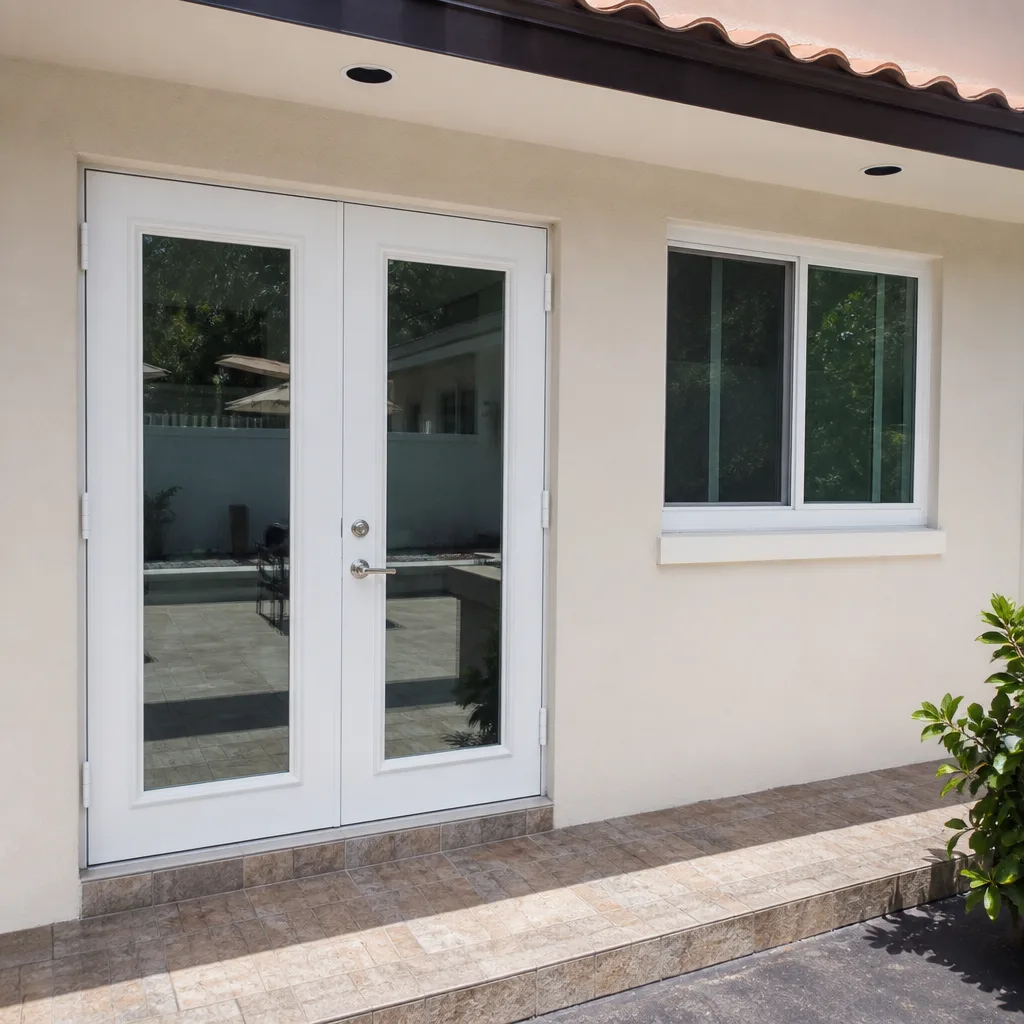 After
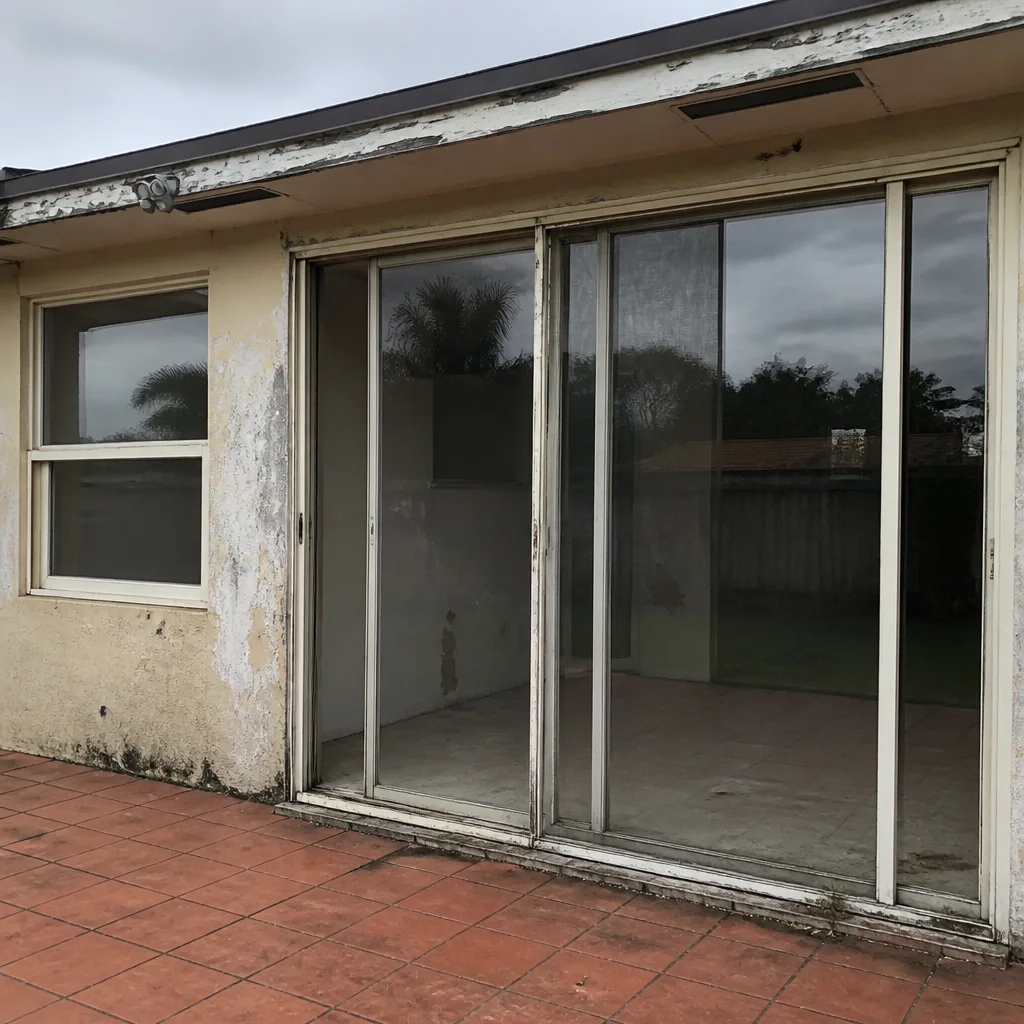 Before
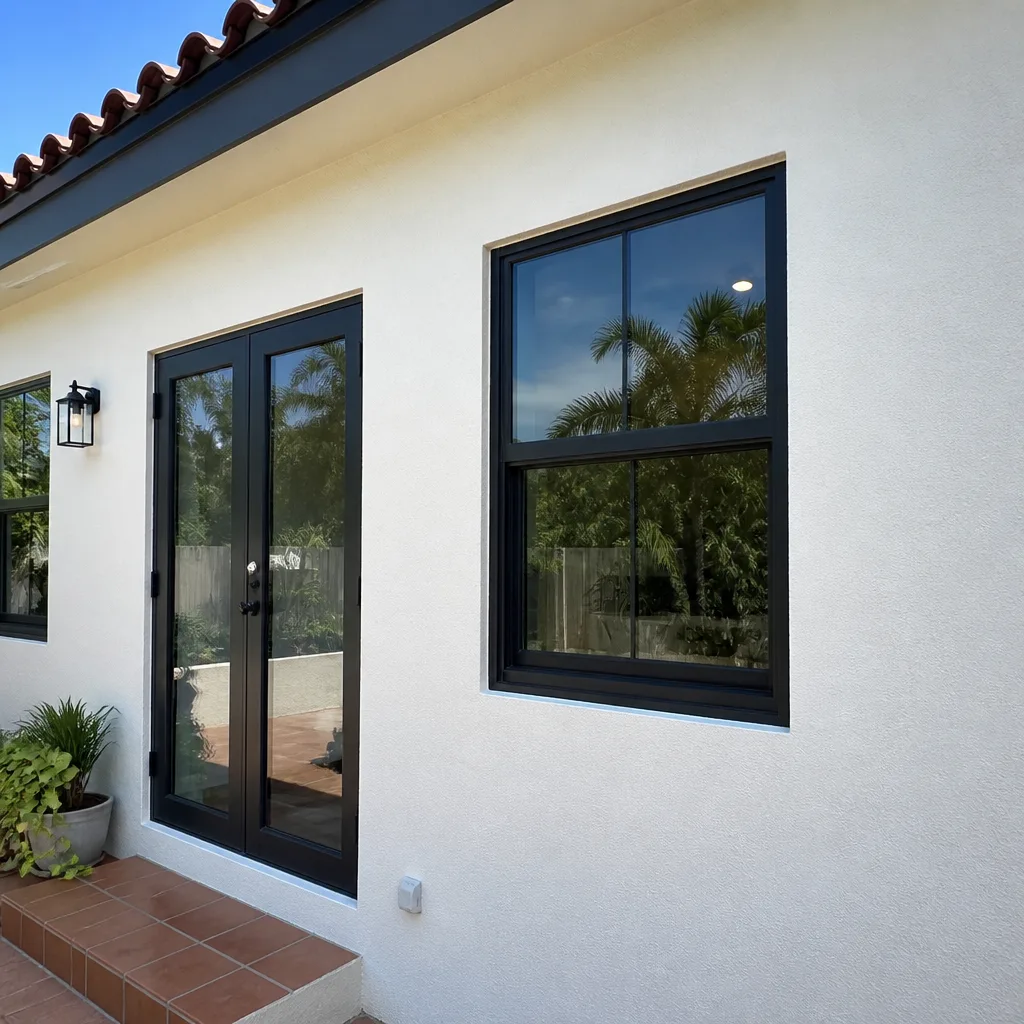 After
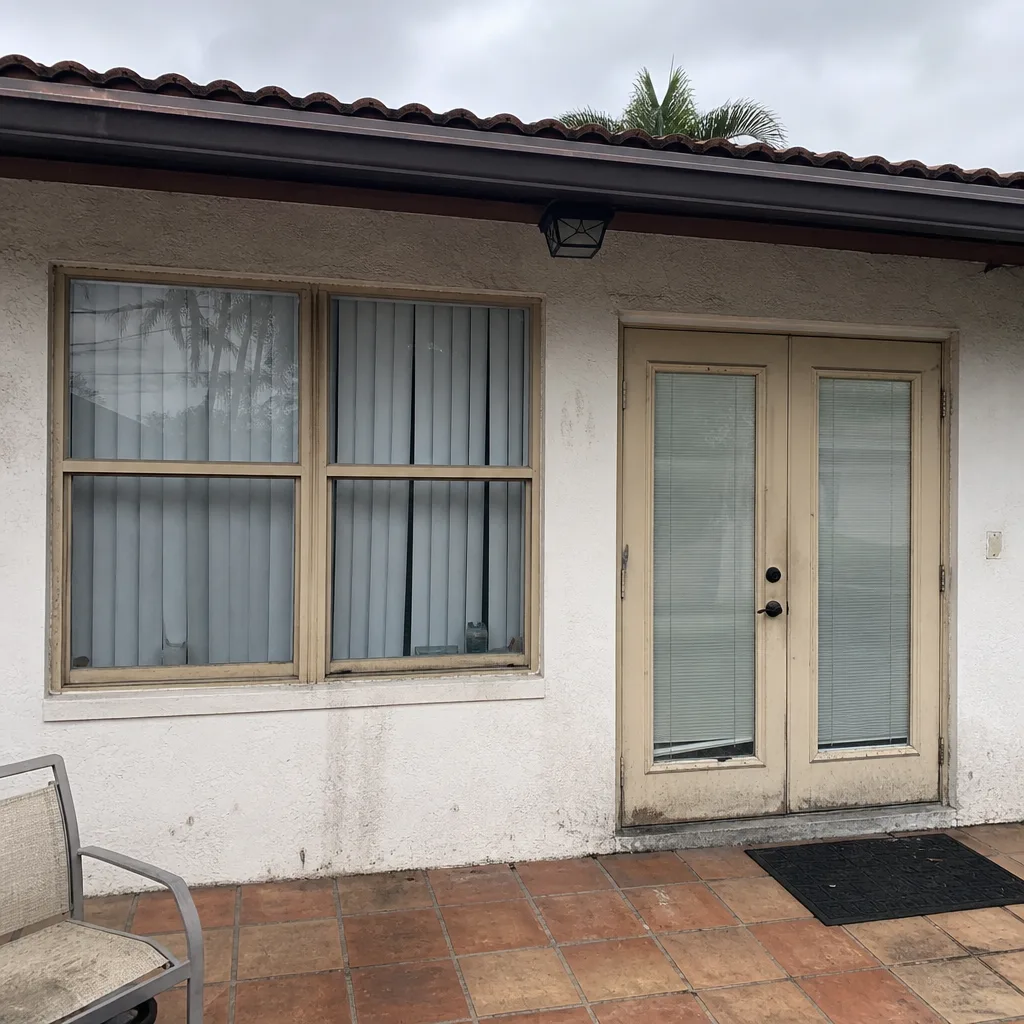 Before
 After
Seasonal Windows & Doors Care for Hialeah: Year-Round Homeowner’s Guide
Most Hialeah homeowners replace windows and doors about ten years after they should have. The signs were there long before: a door that scraped the jamb in August, condensation between panes in the morning, a window that needed both hands to open when the humidity peaked. What surprises people is that nearly half of the window and door failures we see in Hialeah are preventable with routine, seasonal care. This guide covers what to do, when to do it, and why the climate here in Hialeah makes the schedule a little different from the rest of the country. You’ll learn the specific checks that catch small problems before they become expensive ones, what maintenance you can safely do yourself, and when to call someone who does this work every day.
Quick Answer
Seasonal windows and doors care in Hialeah means inspecting seals, tracks, weatherstripping, and hardware at least twice a year, ideally in May before hurricane season and again in November before the cooler dry months. The most important tasks are cleaning and lubricating tracks, checking for failed seals, testing weatherstripping for gaps, and taking a hard look at impact glass and frames for cracks or warping. Hialeah’s salt air, intense sun, and summer humidity wear out seals and hardware faster than most places in Florida, so twice-a-year inspections here are not optional.
Table of Contents
- Why Hialeah’s Climate Is Hard on Windows and Doors
- Spring Care: Preparing for Hurricane Season (May-June)
- Summer Maintenance: Humidity, Salt, and Sun (July-September)
- Fall Care: Sealing Against the Dry Season (October-November)
- Winter Care: Comfort and Condensation (December-February)
- Special Considerations for Impact Windows and Doors
- Signs It’s Time to Repair or Replace
- Common Mistakes to Avoid
- When to Call a Professional
- Frequently Asked Questions
Why Hialeah’s Climate Is Hard on Windows and Doors
Hialeah sits just far enough inland that homeowners get the combination of coastal humidity without the full ocean breeze that helps dry things out. Average humidity runs above 70 percent most of the year, and summer dew points regularly reach the mid-70s. That matters because high humidity attacks the materials windows and doors are made of. Wood frames swell. Metal tracks corrode. Vinyl expands and contracts. The sun in Hialeah is equally relentless: UV index readings hit extreme levels for months, which breaks down weatherstripping and causes seals to lose flexibility faster than you would expect.
Add the salt content in the air blowing in from Biscayne Bay and the Atlantic, and you have a recipe for accelerated wear on aluminum frames, hinges, and any exposed metal hardware. Homes in the Palm Springs North and Miami Lakes-adjacent neighborhoods of Hialeah, where yards are larger and landscaping holds moisture near the house, tend to see more frame rot and track corrosion than the denser areas. Homes near Amelia Earhart Park deal with similar issues. The point is not that Hialeah is uniquely cursed; it’s that the maintenance schedule has to match the conditions. A homeowner who follows a Wisconsin-style checklist is missing half the job.
We’ve been working on Hialeah windows and doors long enough to see the pattern clearly: the homes that get twice-yearly tune-ups keep their original windows and doors working for 15 to 25 years. The homes that skip it see failures in 8 to 12 years. The reason is simple. Small problems compound fast in this climate.
Spring Care: Preparing for Hurricane Season (May-June)
Hurricane season in Hialeah officially starts June 1st, but the smart window and door maintenance happens in May. By late May, the afternoon thunderstorms have started, the humidity has climbed, and you still have a few dry weekends before the real storm pattern settles in. The goal of spring maintenance is to make sure every window and door is ready to hold against wind, rain, and flying debris, and to fix small issues before they become storm-season emergencies.
- Inspect every window and door for a proper seal. Run your hand along the edges of each window and door while it’s closed. You’re feeling for air movement, gaps, or daylight visible through the frame. Hialeah’s summer storms drive rain sideways, and a gap that seems minor in May becomes a water entry point in August.
- Test every lock, latch, and hinge. A window that doesn’t lock firmly is a wind liability. A door that doesn’t close flush against the jamb is a water and wind liability. If a latch is loose, tighten it. If a lock sticks, clean and lubricate it now, not when the storm is in the Gulf.
- Clean and lubricate all tracks and rollers. Sliding windows and patio doors collect grit, dust, and salt residue through the dry winter months. That grit grinds against rollers and tracks, causing premature wear. Use a vacuum attachment to clear debris, then apply a silicone-based lubricant to tracks and rollers. Do not use WD-40 or oil-based lubricants; they attract dust and make things worse.
- Check weatherstripping on every door and window. Weatherstripping in Hialeah lasts 3 to 5 years, not the 7 to 10 years you might get in a milder climate. Press your finger into the stripping. If it doesn’t spring back, it’s lost its ability to seal. Replace it before hurricane season.
- Inspect impact glass and frames for cracks, chips, or warping. If you have impact windows or doors, look carefully at the glass for any damage and at the frames for any bowing. A small crack in impact glass can fail dramatically under storm wind loads.
For homeowners with standard windows, spring is also the time to confirm your hurricane shutters or panels are in good working order and that mounting hardware is sound. If you’re considering upgrading to impact windows, spring is the best time to get a quote. Waiting until June means installation slots fill up and you risk going through the peak of storm season unprotected.
Summer Maintenance: Humidity, Salt, and Sun (July-September)
Summer in Hialeah is when windows and doors earn their keep. Afternoon thunderstorms are a daily event from late June through mid-September. Humidity sits at its annual high. The sun beats down on west-facing glass for hours every afternoon. This is the season when the weaknesses in your spring maintenance show up in the form of fogged glass, sticking doors, and water stains on interior walls.
Here is what needs attention through the summer months:
- Watch for internal condensation on double-pane glass. If you see fog between the panes, the seal has failed. In Hialeah, a failed seal on a west-facing window follows a predictable timeline: the insulated gas escapes, the window loses thermal performance, and eventually the glass fogs when the interior cools at night. A failed seal does not always mean immediate replacement, but it will get worse, and summer humidity accelerates the process.
- Check for swelling and binding doors. Wood doors and wood-framed windows absorb moisture from the air. A door that opens freely in March might stick in August because the wood has swollen. If you notice this, do not plane down the door. The problem is moisture, not size. A professional can adjust the door or recommend a composite or fiberglass replacement that won’t respond to humidity the same way.
- Look for water intrusion after heavy rain. After a strong storm, run your hand along the interior surfaces around each window and door. Feel for damp drywall, look for water staining, and check for any sign that water traveled through the frame. Water that gets in today will rot the framing and invite mold within weeks if not addressed.
- Inspect exterior caulking and glazing compound. The sun in Hialeah bakes caulking until it cracks and pulls away from the frame. Check the exterior perimeter of every window and door. If the caulk has cracked or separated, the seal is broken, and water will get behind the frame.
- Listen for rattling or whistling. Summer winds and storm squalls reveal loose hardware and worn weatherstripping. Pay attention to which windows rattle on windy days and which doors whistle when the pressure changes. Each one is telling you where air and water are getting through.
The summer months are also the right time to schedule an maintenance check from TruePane Windows & Doors. A tune-up in July or August catches humidity-related issues before they turn into fall problems, and most jobs can be handled in a single visit. We serve all of Hialeah, from the historic neighborhoods near Hialeah Park to the newer subdivisions east of the Palmetto Expressway.
Fall Care: Sealing Against the Dry Season (October-November)
By late October, Hialeah’s humidity finally drops, the afternoon storms taper off, and the weather becomes what the rest of the country calls fall but Hialeah residents call open-window season. This is the most pleasant time of year to work on windows and doors, and it is the second critical maintenance window of the year. The goal of fall care is to seal the home against the cooler, drier months and to fix what summer wore down.
- Deep clean all window glass and screens. Remove screens and wash them with mild soap and water. Clean the glass inside and out. Summer storms and salt air leave a film that reduces visibility and holds moisture against the frame. Cleaning also reveals scratches, chips, and seal failures that were hidden by grime.
- Re-check every exterior seal and joint. The contraction of materials as humidity drops opens small gaps that were invisible in summer. Walk the perimeter of your home and check every window and door for new gaps in caulking, new cracks in glazing, and any place where materials have pulled apart.
- Test operation of every window and door. Open and close each one. You’re listening for grinding, feeling for stiffness, and watching for any hesitation. Hialeah’s summer grit works its way into hardware, and fall is the time to clean it out and lubricate before the dry season sets in.
- Check door thresholds and sweeps. The gap at the bottom of exterior doors is a major air leak. Slide a piece of paper under a closed door. If it slides freely, the sweep or threshold needs adjustment. In fall, the difference between a sealed door and a leaky one shows up in your energy bill within a month.
- Inspect locks and deadbolts for smooth operation. Cooler air makes metal contract, and a latch that was fine in August may start to bind. Lubricate lock mechanisms and tighten any loose screws in strike plates and hinges.
- Consider an energy check on older windows. If you have single-pane windows or double-pane windows older than 15 years, fall is the time to evaluate whether they’re still doing their job. An energy-efficient replacement like Andersen or Pella lines we install through TruePane can cut cooling costs through the next summer. We quote manufacturer lines side by side on paper so you see exactly what you’re buying.
Fall is also the time to book any window or door replacement you’ve been considering. The dry fall weather in Hialeah makes for cleaner installations, and contractors are not yet slammed with the pre-holiday rush that hits in late November. Whether you need a new sliding patio door in the Lakes on the Green area or impact windows near Westland Mall, October and early November are when schedules are most open.
Winter Care: Comfort and Condensation (December-February)
Winter in Hialeah is mild by any northern standard, but it brings its own window and door issues. Daytime highs sit in the mid-70s, overnight lows dip into the 50s, and the humidity drops to its lowest point of the year. The temperature difference between a warm interior and a cooler exterior is exactly what drives condensation, and that condensation is the primary winter issue homeowners call us about in Hialeah.
Condensation forms on the inside of window glass when warm, humid interior air meets a cold glass surface. In Hialeah’s winter, the glass can get cold enough overnight that morning condensation is common, especially on single-pane windows or older aluminum-framed windows. A little condensation on the glass is normal. But condensation that runs down the frame and pools on the sill is not, and it can damage drywall, window sills, and flooring over time.
Here’s what to focus on during Hialeah’s winter months:
- Monitor condensation patterns. If you see condensation on the interior surface of the glass, note which windows and when it appears. If condensation forms between the panes of double-pane windows, the seal has failed, and the window will need attention.
- Check for drafts and cold spots. On the coolest mornings, run your hand around the interior edges of each window and door. Feel for cold air moving through. If you feel a draft, your weatherstripping or seals are not doing their job.
- Open windows on dry afternoons. Hialeah’s winter afternoons with low humidity are a gift. Opening windows for a few hours on dry days reduces interior humidity and keeps materials from absorbing excess moisture. Good airflow also helps prevent mold in window tracks and door jambs.
- Adjust door hardware for the drier conditions. As humidity drops, wood doors and frames shrink slightly. A door that was tight in summer may rattle in winter. Check strike plates and adjust latches as needed.
Winter is also the season when we see an uptick in requests for energy-efficient window replacements. Hialeah residents who have been fighting high summer cooling bills often notice in winter just how much conditioned air their old windows are leaking. If you’re tired of wiping condensation off your windows every morning, an energy-efficient replacement from lines like Andersen, Pella, or Marvin can change the comfort level of the entire house.
Special Considerations for Impact Windows and Doors
Impact windows and doors are a significant investment for any Hialeah homeowner, and the maintenance requirements are a little different from standard units. Impact glass is built with an interlayer that holds the glass in place when struck, and the frames are reinforced to keep the unit anchored in the opening. That construction means the glass is heavier, the hardware works harder, and the seals are under more stress.
Here are the impact-specific items to add to your seasonal checklist:
- Inspect the glazing bead and frame channels on impact windows. Impact windows use a heavier glazing bead to hold the glass in place. If the bead cracks or pulls away from the frame, the window loses structural integrity. Check these on the spring and fall maintenance passes.
- Test the operation of impact-rated hardware. Impact windows and doors have heavy-duty locks, hinges, and rollers. These need the same cleaning and lubrication as standard hardware but at least twice the attention. A sticking lock on an impact door is not just an annoyance, it’s a safety issue.
- Check for any crack in the glass, no matter how small. A crack in impact glass does not behave like a crack in standard glass. The interlayer may hold the crack in place, but the window’s rated performance is compromised. Any crack in impact glass warrants a professional inspection.
- Confirm product approval labels are intact. Florida building code requires impact windows and doors to carry product approval labels. These labels are usually placed on the frame or in the track. If the label is missing, damaged, or illegible, you may have trouble with insurance documentation or a future sale of the home.
- Do not paint impact window or door frames. Painting impact frames can void manufacturer warranties and interfere with the operation of the hardware. If you want to change the color, talk to a professional about the options available through the manufacturer.
For homeowners with impact windows, we recommend the 89 Maintenance Visit at least once a year. Impact units are are built to withstand hurricane winds, but they only perform to their rating if the frames, hardware, and seals are in good condition. The tune-up covers the checks that matter most, done by a technician who works with impact units as a matter of daily business.
Signs It’s Time to Repair or Replace
Most window and door problems in Hialeah do not announce themselves all at once. They build up slowly: the window that’s a little harder to open each month, the door that scrapes only when the humidity spikes, the faint fog that appears in the corner of a pane and then disappears. By the time a homeowner calls us, the damage is usually well past the point where a simple repair would have solved the problem.
Here are the signs that tell you it’s time to take action:
- Persistent fog or condensation between panes. A failed seal on double-pane or impact glass is not something that resolves itself. The fog will only get worse, and the window’s insulation value will keep dropping.
- Visible water damage or staining around frames, sills, or interior walls. Water that has made its way inside is a sign that the exterior seal or the frame itself has failed. In Hialeah’s humid climate, that moisture leads to mold and rot within weeks.
- Windows or doors that stick, bind, or refuse to open. Swelling, warping, and hardware failure all produce this symptom. If a window can’t be opened in an emergency, it’s a safety issue, not just a convenience issue.
- Noticeable drafts even after weatherstripping has been replaced. A draft that persists means the frame is out of square or the unit itself has failed. No amount of weatherstripping will fix a warped frame.
- Soft or crumbling wood around window or door frames. In Hialeah, wood rot is common on homes older than 15 years, especially in shaded areas where moisture lingers. Rotted framing means the window or door is no longer properly anchored.
- Cracks in glass, especially in impact glass. Any crack in impact glass is a structural compromise. Do not delay this repair.
Common Mistakes to Avoid
- Using oil-based lubricants on tracks and rollers. WD-40 and similar products attract dust and grit, which grinds down rollers and tracks. Use a silicone-based lubricant made for windows and doors.
- Planing down a door that swells in summer. A Hialeah homeowner who planes a door to fix August sticking will have a door that rattles all winter when the wood contracts. The fix is addressing the moisture or replacing the door with a composite that doesn’t swell.
- Ignoring a small crack in impact glass. Impact glass is a system. A small crack means the system has already failed once, and the window’s rated protection is gone. Waiting to fix it until after the storm is the wrong order of operations.
- Repainting window or door frames without checking manufacturer requirements. Many impact window and door manufacturers void warranties if frames are painted. Check your warranty paperwork before picking up a paintbrush.
- Skipping the fall maintenance pass because the windows “seem fine.” Hialeah’s summer stress reveals itself in the fall when materials contract and gaps open. The fall pass is what catches the issues summer created.
- Replacing weatherstripping with generic material from a big-box store. Weatherstripping comes in different profiles and materials. The wrong replacement won’t seal properly and will wear out faster than the original.
- Delaying a professional inspection because “the house is older and windows just do that.” Windows and doors are not supposed to fog, stick, or leak. If they do, something is wrong, and the problem will get worse and more expensive.
When to Call a Professional
Most of the seasonal maintenance in this guide is safe for a homeowner to handle. But there are times when calling a professional is the only right call. If you have a failed seal on double-pane or impact glass, that’s a replacement job, not a repair. If you see water damage around an opening, the extent of the damage is hidden behind the frame and needs a professional assessment. If an impact window or door has a crack, the unit cannot be field-repaired. If a window or door is so far out of square that it won’t close, the problem is structural. And if you have any doubt about what you’re seeing, a trained eye costs far less than the damage a missed problem can cause.
TruePane Windows & Doors offers free estimates in Hialeah. Call (386) 977-5410 and a live person will answer, 24 hours a day, 7 days a week.
Frequently Asked Questions
Twice a year, in May before hurricane season and again in late October or early November before the dry season. Hialeah’s humidity, salt air, and sun wear out seals and hardware faster than most of the country, so twice-yearly inspections catch small problems before they become expensive repairs. Call (386) 977-5410 to schedule a maintenance check if you want a professional to handle the inspection.
Fog between panes means the seal on your double-pane or impact window has failed, allowing moisture to enter the space between the glass. In Hialeah’s humid climate, this is a common problem, especially on older windows and west-facing units exposed to harsh afternoon sun. A failed seal won’t fix itself, and the window’s insulation value is gone. Call (386) 977-5410 for a free estimate on a replacement.
Window replacement in Hialeah typically ranges from $500 to $1,500 per window depending on size, frame material, glass package, and whether impact-rated glass is required. Impact windows run higher, and large openings like sliding patio doors can run significantly more. We provide written line-item quotes with no surprises on the bill. Call (386) 977-5410 for an exact quote.
In most cases, no. Painting impact window and door frames can void the manufacturer’s warranty and interfere with the operation of the hardware. If you want to change the color of your frames, talk to a professional about the options available through the manufacturer. Call (386) 977-5410 and we’ll help you sort out what your warranty allows.
Yes. Hialeah requires permits for window and door replacement, and the work must meet Florida Building Code requirements, including impact-rated products where applicable. A licensed contractor handles the permitting and inspection process as part of the job. TruePane Windows & Doors pulls permits and ensures inspections pass before the job is signed off.
Failed seals on double-pane and impact windows are the most common problem we see in Hialeah. The combination of high humidity, extreme sun exposure, and salt air breaks down the sealant over time, and once the seal fails, moisture gets in and the window’s lifespan shortens. The good news is that modern energy-efficient units from manufacturers like Andersen and Pella hold up far longer than the first-generation double-pane windows installed 20 years ago.
The Bottom Line
Windows and doors in Hialeah need twice-a-year attention to handle the humidity, salt air, and sun. Spring maintenance prepares them for hurricane season. Fall maintenance seals them against the dry months and catches what summer wore down. The work is mostly simple: clean tracks, lubricate hardware, check weatherstripping, inspect glass and frames. The payoff is real: windows and doors that last 15 to 25 years instead of 8 to 12, lower energy bills, and a home that stays dry through the worst of storm season. When you need a professional, the TruePane Windows & Doors home team is here. Call (386) 977-5410 for a free estimate or to schedule a maintenance check. We’ll be there when we say, and if it’s not done right, we make it right.
Written by the team at TruePane Windows & Doors.
Six Reasons Homeowners Choose TruePane Windows & Doors
Impact systems engineered to design pressures up to +/-100, matched to your wind zone - your openings hold when the storm arrives.
Low-E insulated impact glass from our manufacturer lines commonly cuts monthly cooling bills 20-30%.
Laminated impact glass shuts out up to 40% of outside noise - traffic, neighbors, weather.
Monitoring services run $30-90 a month. Laminated impact glass resists forced entry around the clock, with no subscription.
Florida homeowners average around 25% savings on the windstorm portion of their policy after protecting every opening - some homes qualify for more.
A full impact package upgrades curb appeal, buyer confidence and appraised value in one project.