
Last updated August 27, 2026
Free in-home measure and quote - PGT, CGI and CWS impact lines compared on your actual openings, style by style
Sliding glass doors
Impact garage doorsPGTCGI
 Before
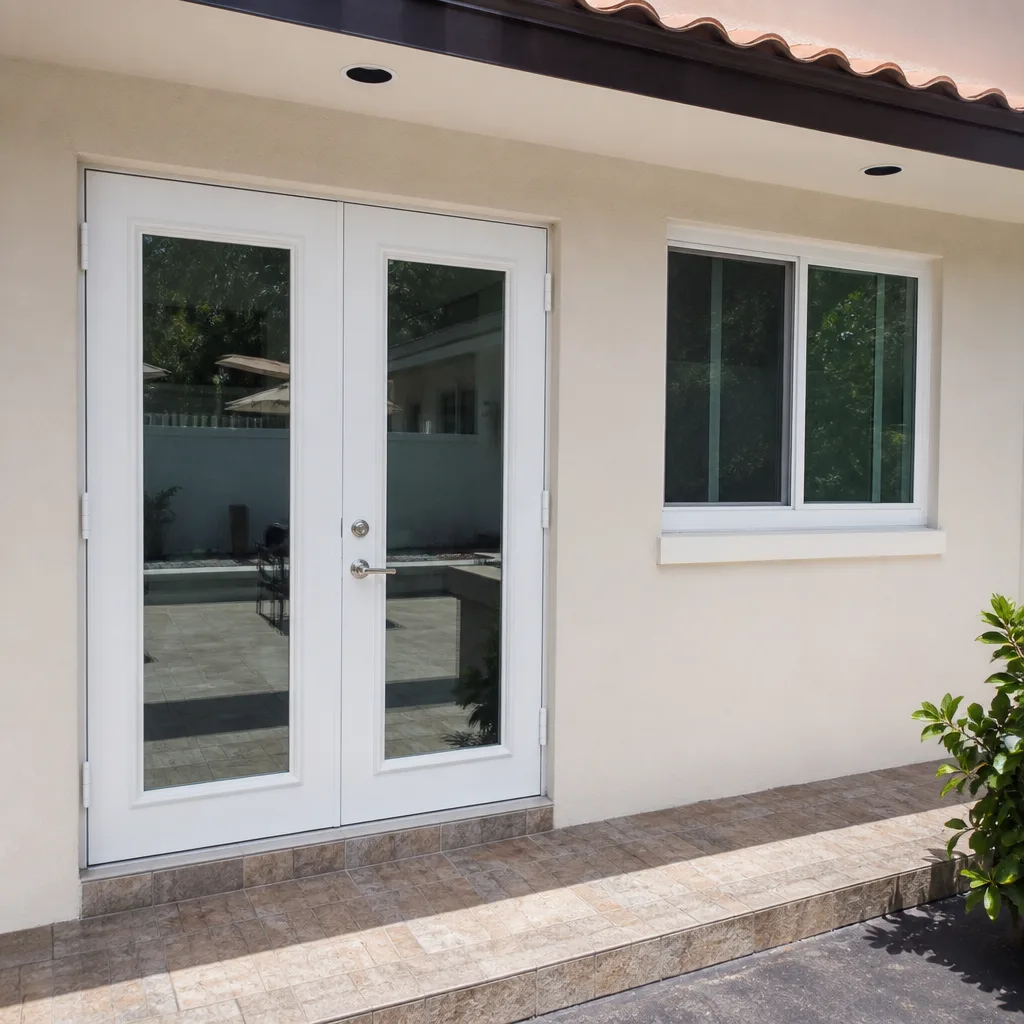 After
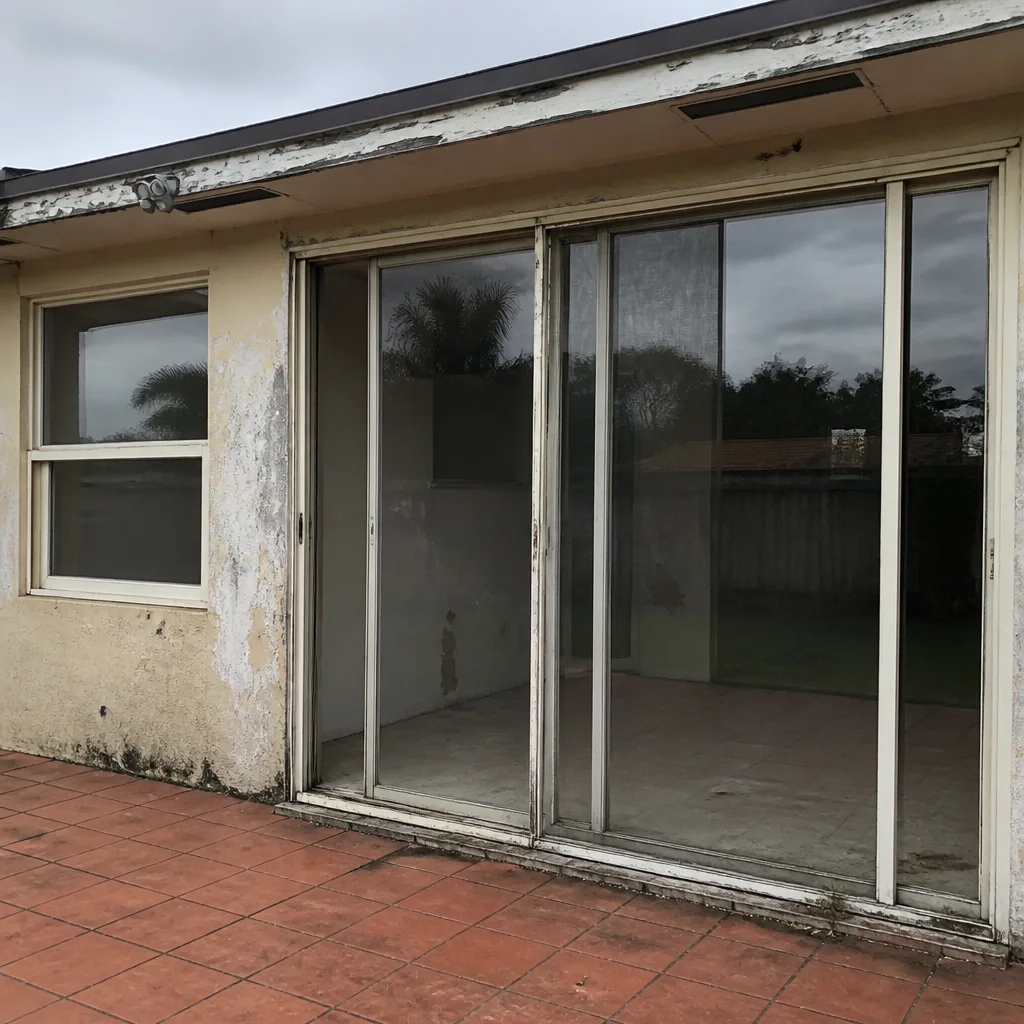 Before
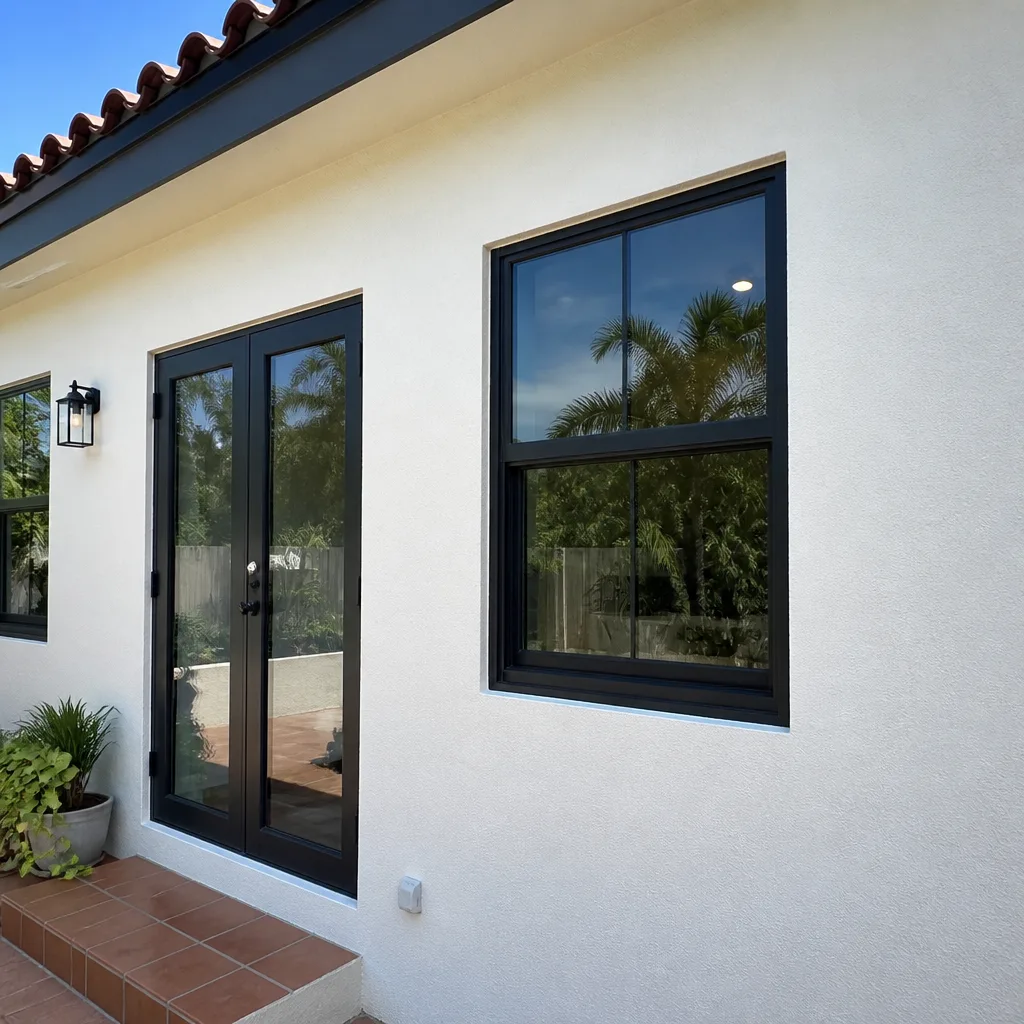 After
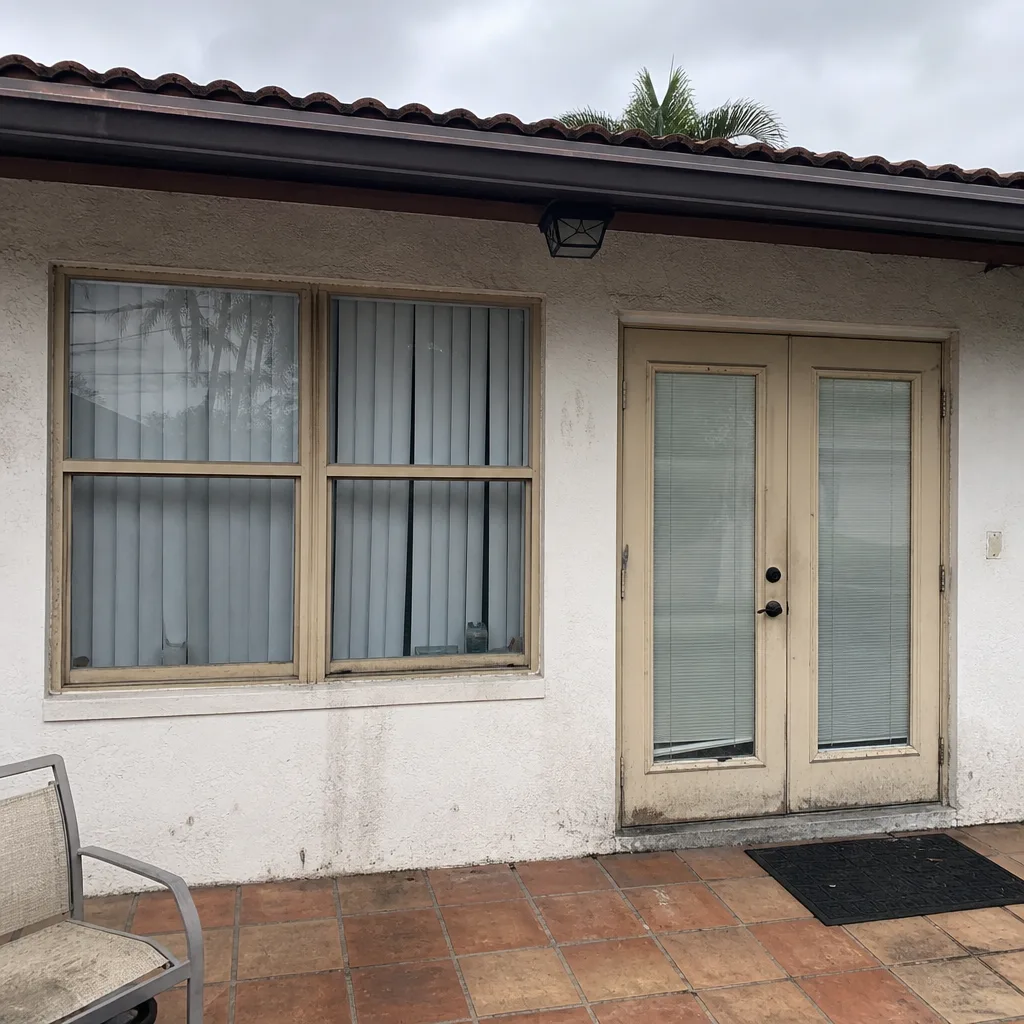 Before
 After
DIY vs Professional Windows & Doors: The Hialeah Homeowner’s Decision Guide
Most homeowners who attempt their own window replacement in Hialeah lose money on the job before the first pane is set. A mismeasured rough opening, one dropped impact-rated sash, or a single afternoon of Florida sun warping a vinyl frame left leaning against a stucco wall, and the savings are gone. This guide walks you through the honest math, the code requirements specific to Hialeah, the tools that actually matter, and the failure patterns we see in this city’s older homes, so you can decide with your eyes open whether to pick up a pry bar or pick up the phone.
Quick Answer
DIY window and door replacement in Hialeah is realistic for a homeowner with framing experience, carpentry tools, and a full weekend for a single opening. Professional installation is the better call for everything else, including any impact-rated window, any second-story opening, any door that carries weight, and any home built before 1992, when Hialeah’s code and construction methods changed meaningfully. The decision hinges on three things: whether the opening is square, whether the product carries a hurricane rating, and whether a botched install would cost more than labor.
Table of Contents
- The Real Cost of DIY vs Professional in Hialeah
- Hialeah Building Code and Hurricane Requirements
- Where the Skill Gap Actually Lives
- Tool Costs Nobody Puts in the DIY Budget
- Warranty Math: What DIY Voids and What It Costs
- Why Doors Fail Differently Than Windows
- Time Reality: What a 1958 Hialeah House Will Throw at You
- Common Mistakes to Avoid
- When to Call a Professional
- Frequently Asked Questions
- The Bottom Line
The Real Cost of DIY vs Professional in Hialeah
A mid-grade single-hung window for a standard 36-by-48 opening in Hialeah runs between $140 and $320 at a supply house. That number persuades a lot of homeowners. The problem is that the window is the cheapest part of the job. Flashing tape, shims, backer rod, sealant rated for South Florida UV exposure, and proper fasteners add another $60 to $110 per opening, and that assumes you already own the tools. If you are buying the tools, add another $150 to $400 on the first window. A pro installation on that same opening typically runs $180 to $420 in labor, depending on the wall condition and whether the opening needs reframing. So the honest spread is not $140 versus $420. It is often $350 to $700 DIY versus $320 to $740 professional, before you assign any value to your own time or to the warranty.
In Hialeah, the math skews further because of stucco. Most homes here are concrete block with stucco exterior. Removing an old window in a stucco wall means cutting the stucco cleanly, which requires either a diamond blade on an angle grinder or a great deal of patience and patching compound. Get that cut wrong and you are paying a stucco contractor $400 to $1,200 to make the wall right before paint. We regularly see DIY window jobs in the Palm Springs and Seminola areas where the window itself went in fine, but the stucco repair cost more than the entire professional install would have.
Hialeah Building Code and Hurricane Requirements
Hialeah sits in a High Velocity Hurricane Zone, which is the strictest wind load rating in the Florida Building Code. That is not a technicality. Any window or door you install must either be impact-rated, meaning the glass and frame are tested to withstand a 9-pound 2-by-4 shot from a cannon at 34 miles per hour, or be protected by a code-approved shutter system. If you do a DIY replacement with a non-impact window and your house is not already equipped with shutters or panels, you are out of compliance the day you finish the job.
More importantly for the DIY decision: Hialeah requires a permit for window and door replacement, and that permit requires either a product approval number or a signed engineering letter for every opening. A homeowner can pull their own permit in Florida, technically. In practice, the Hialeah Building Department will ask for details most homeowners cannot produce, including wind load calculations, anchor spacing charts, and water intrusion detail drawings. If you cannot produce them, the permit stalls, or the inspector fails the rough inspection, and the project sits open. A licensed contractor handles that paperwork as part of their bid. For a homeowner, it is a second job.
Where the Skill Gap Actually Lives
The actual glass work is the easy part. Setting a window into an opening is not difficult if the opening is square and the wall is sound. What separates a professional install from a homeowner job, in our experience across years in this trade, is everything that happens before the window goes in and after it is fastened. Here is where DIY jobs in Hialeah genuinely go wrong:
- Out-of-square openings. Homes built in the 1950s and 1960s in Hialeah, which covers a large share of the single-family stock east of Palm Avenue, settle. A rough opening that is 3/8 inch out of square will not reveal itself until the sash binds or the frame bows. A pro shims and corrects. A DIY installer forces it.
- Wrong anchor placement. Impact windows require specific anchor types and spacing per the product approval. Drywall screws into the rough buck will pass a casual glance and fail a wind event. In Hialeah, that is the entire point of the upgrade.
- Water management. The greatest long-term threat to a Hialeah window is not wind, it is the daily summer rain. Flashing sequence, sill pan design, and sealant compatibility are not intuitive. Get the flashing lap backwards and water finds the wall cavity within a year.
- Working at height. A second-story window from an extension ladder is a different job than the same window at grade. Falls from ladders during window work are a leading cause of serious DIY injury, and we will not describe those techniques here. That work belongs to someone who does it every week.
If you have run baseboard trim, hung doors that close square, and you understand the logic of flashing, a ground-floor window on a block home is within reach. If you have not done all three, the skill gap is real, and it is measured in water damage and failed inspections, not in difficulty of the glass itself.
Tool Costs Nobody Puts in the DIY Budget
The first window always costs the most. Here is a realistic tool list for a proper replacement in a stucco home, with current Hialeah-area pricing:
- Angle grinder with diamond blade for stucco cutting: $60 to $150
- Rotary hammer drill for concrete block anchors: $90 to $250 to buy, or $45/day rental
- 4-foot and 6-foot levels: $40
- Flat pry bar and cat’s paw: $30
- Shim assortment and backer rod: $25
- Caulk gun and 2 tubes of UV-rated sealant (expect $8 to $14 per tube for a product that will not chalk out in two Hialeah summers): $35
- Oscillating multi-tool for old caulk and paint lines: $60 to $120
- Flashing tape and sill pan kit: $45 to $80 per window
That is roughly $430 on the low end for tools, before a single window is purchased. If you are doing two windows, the math starts to work. If you are doing one window, the professional bid is cheaper. If you are doing one second-story window, buy the professional bid and do not climb the ladder.
The other hidden line item is disposal. Hialeah’s solid waste service will not take a construction debris pile of old windows and doors with the regular pickup. You either haul it to the transfer station yourself, which costs time and a truck you may not own, or you pay a hauler $75 to $150. Professional installers include haul-away in the bid. Ask before you assume.
Warranty Math: What DIY Voids and What It Costs
Every major window manufacturer, including Andersen, Pella, and Marvin, writes two warranty layers into their products. The first covers the glass, usually against seal failure and manufacturer defects. The second covers the frame, finish, and hardware. What most homeowners do not learn until after a failure: nearly all of those warranties include language requiring installation by a qualified professional and registration of the warranty within a stated window after purchase. A DIY install frequently voids both layers, because the manufacturer cannot distinguish a product defect from an installation error when the installer has no credentials and the warranty was never registered.
We address this directly at TruePane Windows & Doors because we have seen too many Hialeah homeowners holding a fogged double-pane unit and a warranty they cannot use. Our practice is to register both manufacturer layers in writing, with durations stated, before the technician leaves the driveway. We call it The Keystone Standard, and it means the warranty is active and documented the day we finish, not something the homeowner has to chase later. A DIY installer cannot offer that, because the manufacturer will not accept a self-registration from a non-authorized buyer in most lines.
Consider a fogged seal. A replacement insulated glass unit for a standard Hialeah single-hung runs $110 to $240, plus labor. Under an active manufacturer warranty, it costs nothing for the glass. Under a voided warranty, it is the homeowner’s entire bill, and in Hialeah’s humidity, a improperly installed DIY window will fog faster than a professionally set one, because the weep system is more likely to be blocked or the frame racked slightly out of plane.
Why Doors Fail Differently Than Windows
Windows fail by leaking. Doors fail by sagging, binding, and wearing out their own hardware. A Hialeah exterior door absorbs brutal humidity swings between the wet season and the dry months, and a door that swings perfectly in January will stick in August if the installer did not account for the seasonal movement of both the slab and the wood frame.
Entry door replacement is more forgiving than window replacement in one sense: the opening is larger, so small measurement errors matter less. It is less forgiving in every other sense. A door carries weight. A misaligned hinge or a frame set 1/4 inch out of plumb means the slab drags on the threshold, the deadbolt will not throw clean, and the weatherstripping tears out within a season. Fixing a dragging door that was DIY-installed is one of our most common service calls in Hialeah, right behind fogged window seals.
Sliding glass doors, common in the ranch homes across east Hialeah, add another layer. The track must be dead level and bonded to the slab correctly, the rollers adjusted so the panel does not bind, and the weep holes kept clear so a heavy summer storm does not send water over the track and into the living room. That is a two-person job for anyone, professional or not, simply because the glass panel weighs enough to injure a person working alone. If you are considering a DIY sliding door replacement, reconsider. The risk to your back, your tile, and the doorway are not worth the labor savings.
Time Reality: What a 1958 Hialeah House Will Throw at You
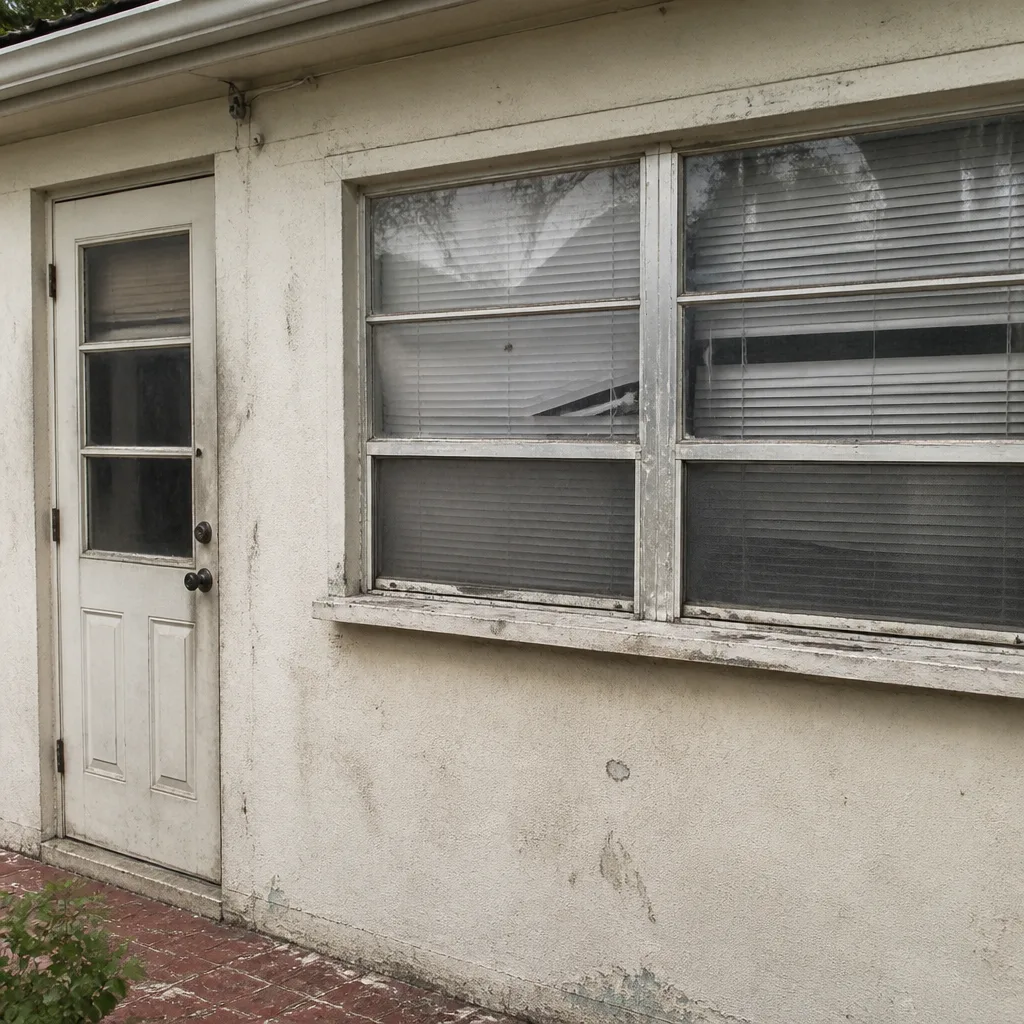
Hialeah’s housing stock trends older. A large share of the single-family homes between Hialeah Drive and the canal district were built in the 1950s and 1960s, and many have never had their original windows replaced. That means the DIY installer is not pulling a 2005 window out of a clean opening. They are pulling a 1960s aluminum frame that has been painted shut six times, caulked by three different hands, and screwed into a rough buck that may be partially rotted from forty years of moisture at the sill.
Here is a realistic sequence for a first-time DIY window replacement in one of those houses:
- Interior prep: remove trim, cut interior caulk lines, protect floors. One to two hours.
- Exterior prep: score stucco around the frame, cut the exterior caulk, locate hidden fasteners. One to three hours depending on how many coats of paint are involved.
- Removal: extract the frame without damaging the rough opening. This is where a 60-year-old window will fight you. Two to four hours, and plan for broken glass.
- Opening inspection: check the rough buck for rot at the sill, verify rough opening dimensions against the new window, shim or correct as needed. One to two hours. If rot is found, add a day for carpentry.
- Set and fasten: level, shim, anchor, verify square. Two to three hours for a first-timer.
- Flashing and sealing: sill pan, flashing tape, backer rod, sealant. One to two hours, and this step cannot be rushed or skipped.
- Interior trim and finish: reinstall or replace trim, caulk interior, paint. Two to three hours.
- Disposal: load the old unit, haul it away. One hour plus a trip.
That is twelve to twenty hours for one window on your first attempt. If you have done a few, it drops to six to eight. A professional crew sets two to four windows in a day, because the sequence is rehearsed and every tool is in the truck. The time gap is not about speed, it is about the fact that your first window teaches you what you will do better on your third, and you only have one house.
Common Mistakes to Avoid
- Measuring the glass instead of the opening. The new window must fit the rough opening, not the old frame. Measuring the visible glass gets you a window that is an inch too small or too large. Measure the rough opening at three heights and three widths, and order to the smallest dimension.
- Skipping the permit. More than a few Hialeah homeowners have sold a house with an unpermitted window replacement and had to correct it at closing, under pressure, at a cost higher than the original job. If you install impact products without a permit, an insurance claim after a storm can also be denied. The permit is protection, not bureaucracy.
- Using interior caulk outside. Interior sealants chalk and crack under South Florida UV within a year. Use a sealant rated for exterior, UV, and stucco or masonry. It costs more. It lasts ten years instead of one.
- Buying the product before checking the rough opening condition. If the rough buck is rotted, the window you bought may not fit after the repair, and returned windows are not always refundable. Inspect first, order second.
- Working alone on any unit over 40 pounds. A double-hung sash is manageable. A sliding glass door panel or a large picture window is not. Get a second pair of hands or hire the job out.
- Replacing windows without thinking about the door thresholds. Air sealing a house with new windows while the exterior doors leak defeats half the purpose. If you are doing a whole-house window project, budget for door weatherstripping and threshold adjustment at the same time.
- Trusting a store display as a product education. The window in the showroom was installed by a factory tech in a square opening with ideal conditions. Your house is different. Read the product approval documents and the installation manual before you buy, and be honest about whether the conditions in your Hialeah home match
When to Call a Professional
If you are replacing an impact-rated window and your home depends on that window in a storm, hire a licensed installer. If the window is on a second story, if the opening is out of square, if the wall shows water staining at the sill, or if the job involves a sliding glass door, hire a professional. If you need the work permitted and your schedule does not include three trips to the Building Department in Hialeah, hire a professional. The right contractor will provide a written line-item quote, register the warranty layers in writing, and stand behind the workmanship for a stated period. TruePane Windows & Doors offers free estimates in Hialeah. Call (386) 977-5410 and we will measure the openings, quote manufacturer lines side by side on paper, and tell you honestly whether the job is one you could do yourself.
Frequently Asked Questions
A standard single-hung replacement window in Hialeah runs $320 to $740 installed for a professional job, depending on wall condition and product grade, while a DIY replacement typically costs $350 to $700 after tools, materials, and disposal. Impact-rated windows run higher on both sides of that equation. Call (386) 977-5410 for an exact line-item quote on your openings.
Yes, Hialeah requires a permit for window and door replacement, and that permit requires product approval documentation and wind load compliance in the High Velocity Hurricane Zone. A licensed contractor handles the paperwork as part of the bid, and the permit protects your insurance coverage and your future home sale.
In most major manufacturer lines including Andersen, Pella, and Marvin, a DIY installation by an unqualified buyer voids at least one and often both warranty layers, because the manufacturer cannot verify the install and the warranty was not registered through an authorized channel. A professional installer registers both layers in writing, which is the only way to guarantee coverage if the glass fogs.
The hardest part is the clean removal and the flashing, not the glass. Hialeah’s block and stucco construction means you are cutting stucco, drilling concrete, and creating a water-tight seal against daily summer rain. Get the flashing sequence wrong and the failure is silent, slow, and expensive.
Hialeah allows either impact-rated windows or a code-approved shutter or panel system over standard glass. If you have shutters that meet code and maintenance is current, a non-impact replacement is acceptable. If you do not, you must buy impact-rated product, which is heavier, more expensive, and more demanding to install correctly.
Most single-window replacements are completed in one visit, typically four to eight hours including removal, installation, flashing, cleanup, and haul-away. Whole-house projects of eight to twelve windows usually run two to four working days in Hialeah, depending on interior trim and stucco work.
The Bottom Line
The DIY versus professional decision in Hialeah is not a moral test. It is a math problem with a weather forecast attached. A homeowner with tools, framing experience, and a ground-floor opening in a modern, square home can save money on the right project. Most Hialeah homes are older, stucco, and subject to the strictest wind code in the country, which raises the cost of error on every task from the permit to the flashing to the warranty. If you want one window done, price the professional bid before you buy tools. If you want the whole house done, price the project once, with warranties in writing, by a company that will still answer the phone in Hialeah in fifteen years. That company is us.
Written by the team at TruePane Windows & Doors.
Six Reasons Homeowners Choose TruePane Windows & Doors
Impact systems engineered to design pressures up to +/-100, matched to your wind zone - your openings hold when the storm arrives.
Low-E insulated impact glass from our manufacturer lines commonly cuts monthly cooling bills 20-30%.
Laminated impact glass shuts out up to 40% of outside noise - traffic, neighbors, weather.
Monitoring services run $30-90 a month. Laminated impact glass resists forced entry around the clock, with no subscription.
Florida homeowners average around 25% savings on the windstorm portion of their policy after protecting every opening - some homes qualify for more.
A full impact package upgrades curb appeal, buyer confidence and appraised value in one project.