
Last updated August 27, 2026
Free in-home measure and quote - PGT, CGI and CWS impact lines compared on your actual openings, style by style
Sliding glass doors
Impact garage doorsPGTCGI
 Before
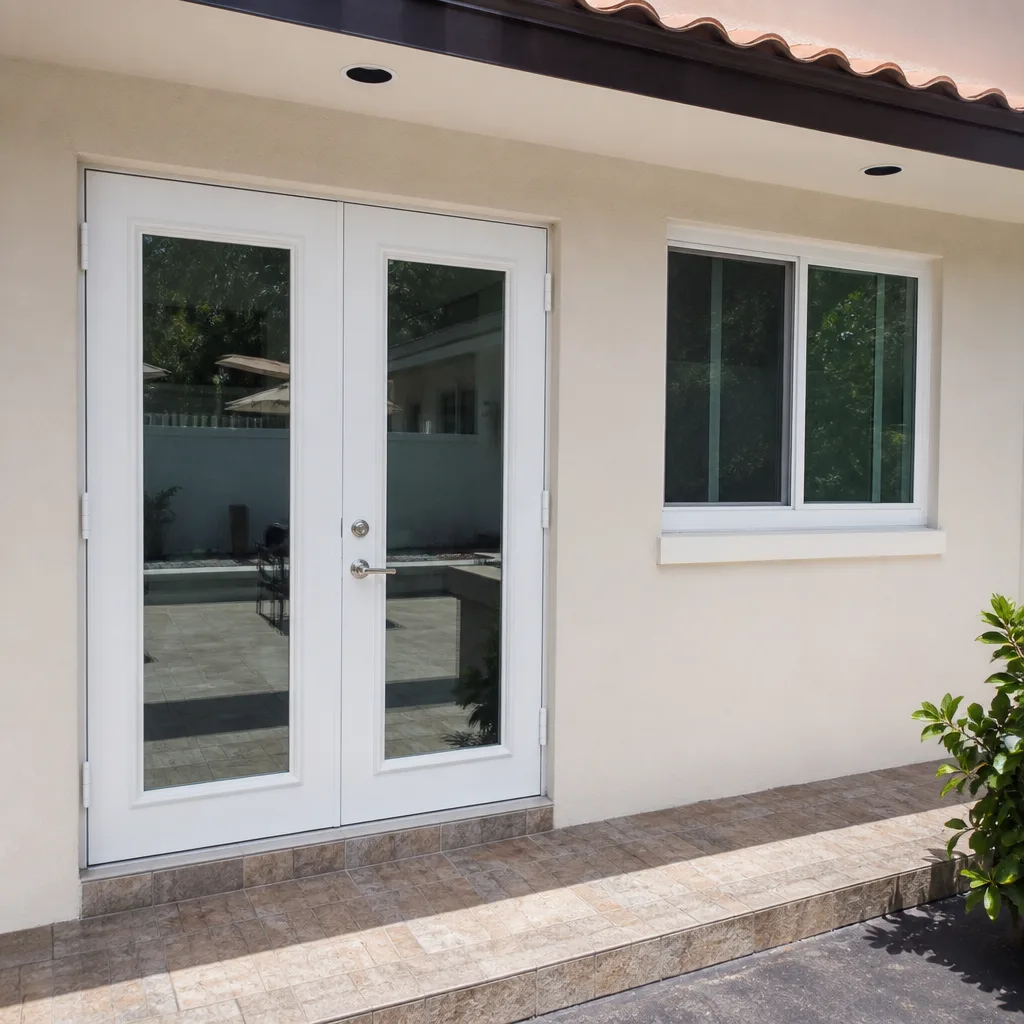 After
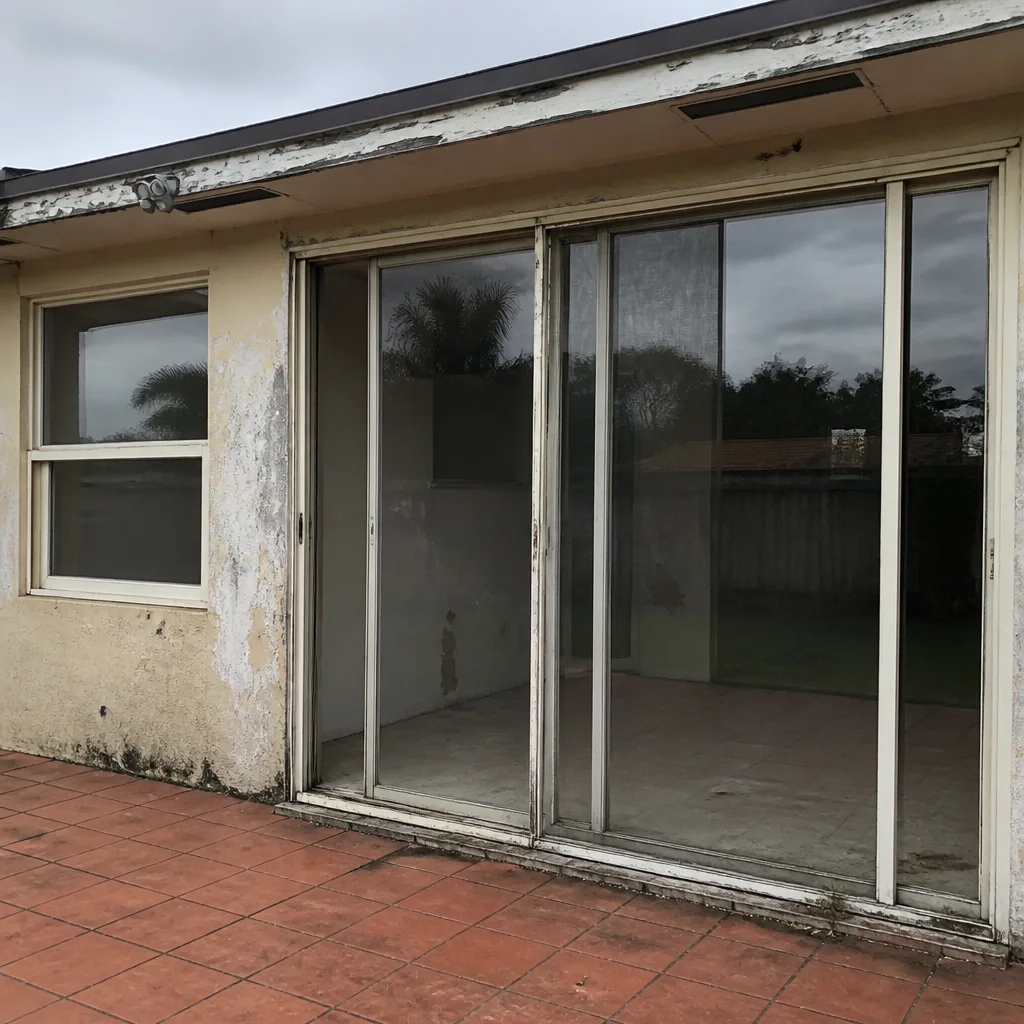 Before
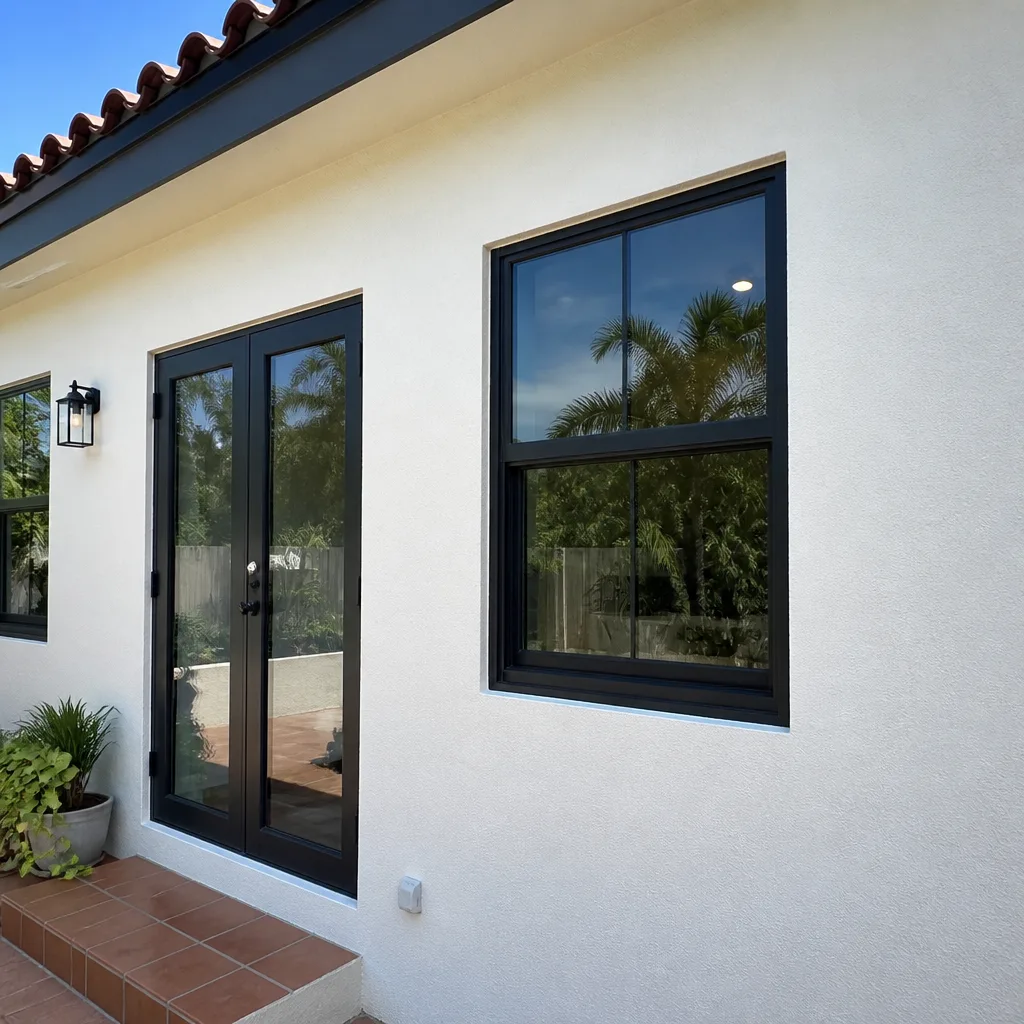 After
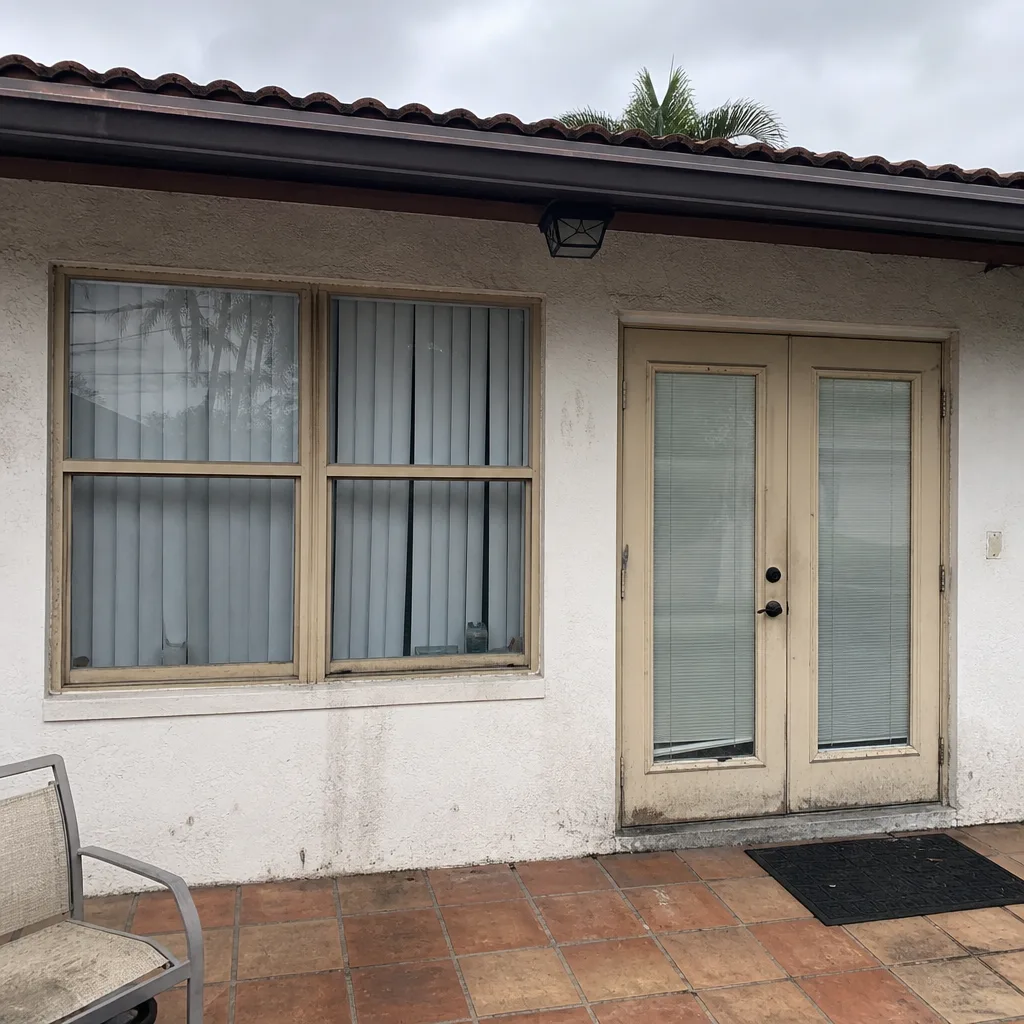 Before
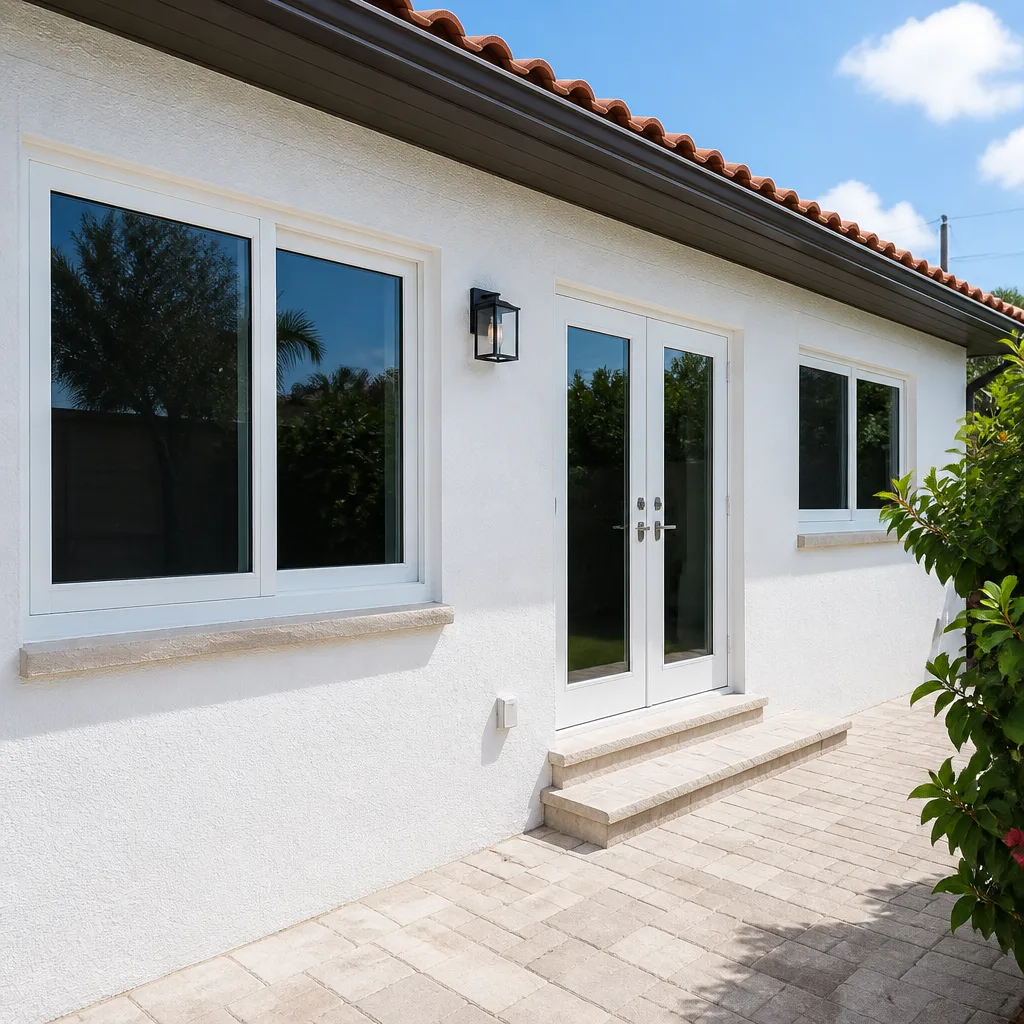 After
Windows & Doors Permits, Codes & Inspections in FL: What You Need to Know
Most Florida homeowners don’t realize their window replacement can be flagged as non-compliant years after the work is done, usually when they try to sell the house. A missing permit or an inspection that never happened becomes the buyer’s problem, and the seller takes the price hit. This guide walks through what Florida actually requires for window and door work, how Hialeah’s local amendments change the picture, and what happens before, during, and after an inspection. By the end, you’ll know exactly which projects need a permit, what the inspector checks, and how to avoid the most expensive compliance mistakes.
Quick Answer
In Florida, any window or door replacement that changes the size of the opening, alters the structure around it, or involves impact-rated installation in a wind-borne debris region requires a building permit and a final inspection. Like-for-like replacements where the opening dimensions do not change and no structural alteration occurs may be exempt under Florida Building Code 105.2, but Hialeah and most Miami-Dade County municipalities require a permit for impact window retrofits regardless. The permit protects you: it means the work was reviewed against current wind-load and water-intrusion code, and the inspection creates the paper trail your insurer and future buyer will ask for.
Table of Contents
- The Florida Building Code: What Governs Your Windows and Doors
- When a Permit Is Required in Florida (and When It Is Not)
- Hialeah and Miami-Dade: Local Amendments You Need to Know
- Impact Windows, HVHZ, and Wind-Borne Debris Regions
- The Permit Process Step by Step
- What Inspectors Actually Check: A Practical Checklist
- What Permits and Inspections Cost in Hialeah
- Common Mistakes to Avoid
- When to Call a Professional
- Frequently Asked Questions
- The Bottom Line
The Florida Building Code: What Governs Your Windows and Doors
The Florida Building Code (FBC) is the baseline rulebook for every window and door installed in the state. It’s updated every three years; the current edition is the 8th Edition, which took effect December 31, 2023. The code is not a suggestion. It’s adopted as law by every county and municipality in Florida, and local governments can only add to it, never subtract.
Chapter 16 covers structural design, which includes wind-load requirements. Chapter 17 covers special inspections. Chapter 24 covers glass and glazing. Chapter 6 covers the types of construction and what materials are allowed in each. If you replace a window, all four chapters can apply depending on where you live and what you’re installing.
The single most important code concept for Florida homeowners is this: windows and doors are part of the building envelope, which means they must resist wind pressure, water intrusion, and flying debris. In Hialeah, which sits in a High Velocity Hurricane Zone (HVHZ), those standards are stricter than they are in Orlando or Tampa. A window that passes code in Jacksonville is not automatically legal in Hialeah.
Most window and door work in Florida falls under the Florida Building Code, Residential Volume, which applies to one- and two-family dwellings and townhouses three stories or less. Larger buildings fall under the Building Volume. The residential code treats windows and doors as structural components, not cosmetic upgrades, which is why permits and inspections are not optional extras.
HVHZ requirements mean window assemblies, including frames, glass, and anchoring, must meet specific test standards like TAS 201, TAS 202, and TAS 203. These are Florida-specific test protocols, not national ones. We mention this because homeowners who buy windows online or from out-of-state suppliers sometimes receive products that were tested to Texas or South Carolina standards. That product will not pass a Hialeah inspection, and the permit will sit open until it’s corrected.
Key Facts About the Florida Building Code
- Current edition: 8th Edition, effective since December 31, 2023.
- Window and door replacements are regulated under the Residential Volume for single-family homes.
- Wind-load ratings are site-specific. The required design pressure for your Hialeah home depends on its exposure category, roof height, and distance from the coast.
- Product approvals matter. Florida requires products to have a Florida Product Approval or an equivalent Miami-Dade County NOA (Notice of Acceptance) to be installed legally.
- Local amendments stack on top. Hialeah adopts the FBC but adds administrative requirements like permit application forms, fee schedules, and inspection procedures.
When a Permit Is Required in Florida (and When It Is Not)
Florida Building Code section 105.2 lists work exempt from permits. The list is narrow and easy to misread. Here’s what it actually says for windows and doors, and what we’ve seen play out in Hialeah.
Work that does not require a permit includes minor repairs that do not change the opening size or alter the structure, like replacing a pane of glass, a screen, or weather stripping, or swapping out hardware like locks and handles. Painting and caulking never require a permit.
Work that does require a permit includes any change to the size of the window or door opening, any alteration of the structural framing around it, any replacement in a wind-borne debris region where the new unit is required to be impact-rated or protected, and any replacement where the new window or door has a different structural design than the one being removed.
Here’s the trap: a like-for-like replacement, same size, same type, in a non-HVHZ part of Florida, might be exempt under 105.2. But Hialeah is HVHZ. In practice, the Hialeah Building Department requires a permit for window and door replacement work that involves what the code calls “replacement of exterior windows and doors” even when the opening stays the same, because the anchoring, fastening schedule, and product approval need to be verified against current wind-load requirements. A door that was installed in 1995 was not anchored the way a 2025 installation must be.
Fast Rules of Thumb
- Changing the opening size? Permit required, always, everywhere in Florida.
- Replacing with impact-rated units? Permit required in Hialeah and Miami-Dade, full stop.
- Replacing glass only, not the frame? Generally no permit, but Hialeah may ask questions if the glass is in a required opening.
- Replacing a sliding glass door with another sliding glass door, same rough opening? Permit required, because the anchoring and product approval need to be checked.
- Replacing a front entry door with a different material (wood to fiberglass, for example)? Permit required. The wind-load rating changes.
We also tell homeowners this: if you’re unsure, call the Hialeah Building Department. They answer the phone. But plan for a realistic answer time: Hialeah’s permit counter handles thousands of applications a year, and the person who answers may not be the plan reviewer. A faster route is hiring a contractor who pulls permits on Hialeah jobs every week and knows which reviewer requires what.
Hialeah and Miami-Dade: Local Amendments You Need to Know
Hialeah operates under Miami-Dade County’s building code, which is the FBC plus the county’s HVHZ amendments. Miami-Dade is the only county in Florida that maintains its own product approval system, the NOA program, and for windows and doors, the NOA is the rule, not the exception.
A product with a Florida Product Approval but no Miami-Dade NOA may not be installed in Hialeah, period. The NOA is a notice of acceptance issued by the Miami-Dade County Product Control Division. It certifies that the specific window or door model, in the specific size and configuration you’re installing, passed the county’s wind-load, water-infiltration, and impact-resistance testing. When we install Andersen or Pella or Marvin products in Hialeah, we verify the NOA for the exact model and rough opening before we order the unit. Different sizes of the same window line can have different NOA numbers. Guessing at this is how permits stall.
Hialeah Permit Department: What to Expect
- Building Department location: Hialeah City Hall, 501 Palm Avenue, Hialeah, FL 33010.
- Plans examiners are assigned by district. Hialeah divides the city into inspection districts, and different inspectors cover different zones. Your contractor should know which inspector covers your neighborhood.
- Permit applications are submitted online through the e-Permits portal or in person. Most window and door replacement permits in Hialeah are processed as “express permits” if the product approval and anchoring details are complete, which means a faster turnaround than structural remodels.
- Inspections are scheduled by phone or through the e-Permits system. Hialeah generally schedules next-business-day inspections for express permits, but that depends on workload and inspector availability.
- Re-inspection fees apply. If the inspector shows up and the work is not ready, or the wrong documentation is on site, you pay a re-inspection fee. The fee is small compared to the time lost.
One thing that catches out-of-town installers by surprise: Hialeah inspectors know impact windows. This is not a jurisdiction where the inspector glances at the glass and signs the card. Hialeah inspectors check the NOA number against the window label. They check that the screws and anchors match the product approval drawings. They check the mullion engineering for windows joined side by side. If the installer did not follow the NOA to the letter, the inspection fails. That’s not a bad thing. It’s why the permit exists.
Impact Windows, HVHZ, and Wind-Borne Debris Regions
Not every home in Hialeah is required to have impact windows. That’s a common misconception. The real rule is tied to location, exposure, and insurance, and it’s more nuanced than a yes or no.
Florida law requires windows and doors in wind-borne debris regions to be either impact-rated or protected by an approved shutter or panel system, but only for new construction or when the building undergoes substantial improvement (generally, when the cost of renovations exceeds 50% of the structure’s value). A voluntary window replacement on an existing Hialeah home does not automatically require impact glass. What it does require is that the new window meets current wind-load requirements for its location, which may or may not mean impact-rated, depending on the specific site conditions and what your insurance company requires.
That said, most Hialeah homeowners who replace windows in 2025 choose impact-rated products. There are several practical reasons: insurance premium discounts for impact protection, elimination of the need for separate shutters, security benefits, and noise reduction (Hialeah is a busy city, and the difference between an impact window and a standard window on a street with steady traffic is noticeable).
If You’re Considering Impact Windows in Hialeah, Know These Numbers
- Design pressure ratings for Hialeah generally run from +/- 40 PSF to +/- 70 PSF depending on the building’s exposure category, roof height, and the specific opening’s location on the wall. A corner window requires a higher rating than a center-of-wall window.
- Impact-resistant glass is tested under TAS 201 (large missile impact) and TAS 203 (cyclic wind pressure) for HVHZ products. Miami-Dade NOAs list the exact test standards the product passed.
- Aluminum impact windows are the standard in Hialeah because they’re less expensive than vinyl impact products and the Miami-Dade market has decades of familiarity with aluminum frame detailing.
- Cost for a standard single impact window replacement in Hialeah runs $900 to $2,400 installed depending on size, style, and manufacturer. That’s a wide range for a reason: a 36-inch-by-48-inch single-hung from a value line costs less than a 72-inch-by-72-inch casement from a premium line.
We do get called out to homes in Hialeah where a previous contractor installed non-impact, non-NOA windows and told the owner it was fine because “the house is grandfathered.” The house is not grandfathered for product approval. The Miami-Dade NOA requirement applies to every window installed in the county, not just to new construction. If you’re unsure what’s in your walls, look for the etching in the corner of the glass. It should include the NOA number for Miami-Dade, along with the manufacturer, the model, and the impact rating if applicable.
For homeowners new to impact windows, we also flag this: impact glass is not unbreakable. It is engineered to crack but not shatter, keeping a hole in the wall sealed during a storm. The difference between an impact window and a regular window is not that one breaks and the other doesn’t, it’s what happens after the impact. Impact glass stays in the frame. The frame stays in the opening. That’s what protects the roof.
The Permit Process Step by Step
Here’s how a typical window and door permit moves through Hialeah from application to closed file. This is the process we follow on every permitted job, and it’s what a homeowner can expect if they’re managing the process themselves.
- Product selection and documentation. You pick the window or door, then obtain the NOA (for Miami-Dade) or Florida Product Approval. You need the exact model number, size, and configuration. The plan reviewer will check this against the drawings.
- Permit application. In Hialeah, the application is submitted via the e-Permits portal or at the Building Department counter. You’ll need the property’s folio number, the scope of work, the product approval numbers, and the contractor’s license information if a contractor is doing the work.
- Plan review. For express permits (which cover most straight window and door replacements), the plan review is administrative, not structural. The reviewer verifies the product approvals and that the scope matches the form. For complex jobs (changing opening sizes, adding mullions, structural wall changes), the review goes to a structural plans examiner, and the turnaround is slower.
- Permit issuance. Once the review passes and the fee is paid, the permit is issued. You must post the permit card on the property, visible from the street, for the inspector.
- Installation. The work happens. The installer follows the NOA anchoring requirements to the letter, because the inspector will know the difference between a screw and an approved anchor.
- Inspection request. The contractor or homeowner calls or logs into e-Permits to schedule the inspection. In Hialeah, window and door replacement inspections are usually scheduled within one to two business days.
- Final inspection. The inspector reviews the installed windows and doors against the permit and the product approval. If everything checks, the inspector signs off, and the permit is closed. If not, the corrections are listed, the work is fixed, and the inspection is rescheduled (with a re-inspection fee).
The whole process for a straightforward whole-house window replacement in Hialeah typically takes six to ten weeks from permit application to final inspection, most of it waiting on product delivery. The inspection itself takes thirty to sixty minutes for an average home.
One fact that surprises many homeowners: the permit does not belong to the contractor. It belongs to the property. If a contractor pulls a permit, does the work, and never closes the inspection, that open permit becomes the homeowner’s problem when they sell. We’ve written about this before, but it’s worth repeating here because open permits are the single most common compliance headache in Hialeah real estate transactions. When the work is done, confirm in writing that the permit final inspection was approved.
What Inspectors Actually Check: A Practical Checklist
If you want to know what a Hialeah window and door inspector is looking at, here’s the honest list. This is from watching hundreds of inspections and listening to what gets flagged.
- Window and door labels. The inspector matches the etched label on each unit against the NOA listed on the permit. If the label is covered by stucco or caulk, the inspector will ask for it to be exposed. We’ve seen inspections fail because the label was painted over.
- Anchoring and fasteners. The inspector checks that the screws, anchors, and spacing match the NOA drawings. This is not negotiable. An installer who used hardware-store concrete screws instead of the approved fasteners will fail the inspection, and the correction is not a five-minute fix.
- Flashing and water management. Around doors and windows, the inspector checks for proper head flashing, sill flashing, and sealant. Water intrusion is the long-term killer of Florida window installs, and Hialeah inspectors are strict about it.
- Egress requirements. For bedrooms, windows must meet the minimum egress opening size. If a replacement window reduces the clear opening, the inspector will fail it. This comes up most often with casement windows and awning windows.
- Mullion engineering. When two windows are joined side by side (mulled), the connection between them must be engineered and documented. This is a frequent failure point on jobs done by installers unfamiliar with Miami-Dade requirements.
- Impact protection beyond windows. If the scope of work includes doors, the inspector checks that entry doors are impact-rated or protected. A decorative front door without the proper rating in a required opening will not pass.
- Final visual check. The inspector confirms the work matches the permit scope and that the site is clean and the old windows are gone. This last part matters: Hialeah inspectors will sometimes note debris left in the yard because it suggests a sloppy job and invites a closer look at everything else.
Before the inspection, walk the perimeter of the house. Look at each installed unit. Check that labels are visible, screws are set, flashing is tucked, and nothing is still covered in protective film. If an obvious issue jumps out at you, it will jump out at the inspector.
What Permits and Inspections Cost in Hialeah
Here’s the question every homeowner asks first. The direct answer: a window and door replacement permit in Hialeah typically runs between $150 and $500, depending on the number of openings and the valuation of the work, and that usually includes the final inspection. For a typical whole-house window replacement on a 1,500-square-foot Hialeah home with 10 to 14 windows, the permit fee is commonly in the $250 to $400 range.
Typical Permit and Inspection Costs in Hialeah
| Item | Typical Range | Notes |
|---|---|---|
| Window and door replacement permit (express) | $150-$400 | Varies by declared job valuation |
| Plan review fee (when required) | $50-$150 | Usually included for express permits |
| Final inspection | Included in permit fee | Most residential window permits include one inspection |
| Re-inspection fee (if the first inspection fails) | $50-$100 | Paid each time a re-inspection is needed |
| NOA document retrieval (if you need to pull it yourself) | Free-$50 | Miami-Dade Product Control database is free to search; certified copies may have a fee |
These are local pricing ranges based on Hialeah’s adopted fee schedule and the jobs we’ve permitted in the city. The exact fee for your house depends on the declared valuation and the number of openings. Contractors who work in Hialeah every week generally include permit fees as a line item on the estimate. If a quote says “permits included” but doesn’t list the amount, ask for the line item. You’re paying for the permit either way, and a written line item means you can verify the permit actually got pulled.
For the labor and materials side, full window replacement in Hialeah runs $700 to $2,400 per window installed, and entry or sliding door replacement runs $1,800 to $6,000 per door, depending on material, size, and impact rating. The permit cost is usually under 2% of a whole-house window job. It’s the smallest line item on the estimate and the one that protects the rest of it.
Common Mistakes to Avoid
- Assuming a like-for-like replacement never needs a permit. In Hialeah’s HVHZ jurisdiction, window and door replacements need a permit even when the opening doesn’t change. Assuming otherwise is the fastest way to an open code violation on your property record.
- Buying windows without checking the Miami-Dade NOA. A Florida Product Approval is not enough in Hialeah. The exact product must also have a Miami-Dade NOA, and the installed size must match the approved configuration.
- Letting a contractor install without pulling a permit. Some contractors offer a discount for working “without the paperwork.” The buyer’s title company will find the unpermitted work when you sell, and the correction cost is always more than the permit would have been.
- Ignoring the egress requirement for bedrooms. Replacement windows in sleeping rooms must preserve the clear opening required for escape. Changing from a double-hung to a fixed window in a bedroom is against code, and the inspector will catch it.
- Using an unlicensed installer for a DIY window replacement with a homeowner permit. Florida allows homeowners to pull their own permits for work on their own residence, but the work must still meet all product approval and anchoring requirements. Most homeowners are not equipped to verify NOA compliance on their own, and failed inspections eat up the savings quickly.
- Covering window labels before the inspection. Do not paint, caulk, stucco, or trim over the etched label on the glass until after the final inspection. Re-exposing a covered label often means cutting back the finish work.
- Not confirming the final inspection is closed. Get the signed-off permit in hand. An open permit looks like unfinished work to a future buyer’s lender, and closing an old permit after the fact is a bureaucratic slog.
When to Call a Professional
Some Hialeah homeowners are genuinely capable of handling a straightforward window replacement themselves. Florida law allows it, and for someone replacing a single like-for-like window with full documentation in hand, it can work. But here’s where experience matters: any project involving multiple windows, impact-rated products, mullion configurations, or structural changes to the opening is not a weekend job. The NOA paperwork alone can consume more hours than the installation.
Call a professional when the work involves more than a single like-for-like replacement, when the window is in an HVHZ-protected opening and needs impact certification, when the opening size changes, when the install spans two floors or involves scaffolding, or when the last contractor left you with windows that fog, doors that bind, or a permit that was never closed. A contractor who works in Hialeah every week can pull the permit, order the correct product, manage the inspection, and close the file. TruePane Windows & Doors offers free estimates in Hialeah. Call (386) 977-5410 to schedule one.
Frequently Asked Questions
Yes, in most cases. Hialeah requires a building permit for window and door replacement work because the city sits in a High Velocity Hurricane Zone, and every installed unit must meet current Miami-Dade product approval and anchoring standards. The permit fee is a small fraction of the job cost and the final inspection creates the compliance record your insurer and future buyer will want.
A window and door replacement permit in Hialeah typically costs between $150 and $500, depending on the number of openings and the declared job valuation. For a standard whole-house window replacement, most Hialeah homeowners pay $250 to $400 for the permit, including the final inspection. Call (386) 977-5410 for a free estimate that includes an itemized permit fee.
No. Impact windows in a High Velocity Hurricane Zone like Hialeah must be installed under permit and inspected. The permit verifies that the installed unit matches its Miami-Dade NOA and that the anchoring meets current wind-load requirements. An unpermitted impact window install will surface during a home sale and can also void the manufacturer’s warranty.
The unpermitted work becomes a disclosure item. The buyer, the title company, or the lender may demand that the work be retroactively permitted or removed and redone. Retroactive permits in Hialeah can be issued, but the process is more involved than pulling the permit before the work, and any non-compliant installation must be corrected first. The cost of fixing it is always greater than the cost of the original permit.
An express window and door replacement permit in Hialeah is usually issued within one to two weeks when the application is complete with the correct product approval documents. The final inspection is typically scheduled within one to two business days after the work is done. The longest part of the timeline is usually product delivery, not permitting.
Not universally. Insurance companies in Florida do not force every homeowner to install impact windows, but most insurers offer meaningful premium discounts for impact-rated openings, and some carriers writing new policies in coastal areas of Miami-Dade require impact protection as a condition of coverage. Hialeah homeowners replacing aging windows often choose impact-rated products for the insurance savings and the storm protection.
A Florida-licensed contractor or the homeowner themselves can pull the permit. If the homeowner pulls the permit, the homeowner assumes responsibility for meeting code, including the product approval verification. Most Hialeah homeowners hiring a contractor expect the contractor to pull the permit, and that’s the cleaner path: the contractor’s license is tied to the permit, and the contractor carries the compliance burden through the final inspection.
The Bottom Line
Florida window and door permits are not paperwork theater. In a High Velocity Hurricane Zone like Hialeah, the permit and inspection process exists so the windows you pay for actually protect the house you live in. The Florida Building Code, the Miami-Dade NOA system, and Hialeah’s local enforcement together create a standard that is more rigorous than most of the country, and that rigor is the point. Do the work under permit, verify the product approval, pass the inspection, and close the file. The alternative is a lingering compliance problem that gets more expensive every year it sits unaddressed.
Why TruePane Windows & Doors for Your Hialeah Window and Door Project
TruePane Windows & Doors has served Hialeah and the surrounding Miami-Dade communities, with a heritage of glazing craft that goes back more than years. We’re an authorized installer for more than a dozen manufacturer lines, including, and we quote manufacturers side by side on paper so you see exactly what you’re buying. Every job is permitted, inspected, and backed by the Done Right Promise and The Keystone Standard: both warranty layers registered in writing before the technician leaves the driveway. If the pane is not true, the job is not done. Call (386) 977-5410 for a free estimate, or learn more about what we do at the TruePane Windows & Doors home page.
Ready to Get Your Windows and Doors Done Right in Hialeah?
If you’re planning a window or door replacement, don’t guess about permits, codes, or inspections. We handle the entire process: permit application, product verification, installation to Miami-Dade NOA standards, scheduling the inspection, and closing the file. A live person answers the phone at (386) 977-5410, around the clock. Call us for a free estimate, and we’ll walk your project with you door by door and window by window. No surprises on the bill, both warranty layers registered in writing, and work we stand behind. That’s the standard, and it’s been our standard for the last years.
Written by the team at TruePane Windows & Doors.
Six Reasons Homeowners Choose TruePane Windows & Doors
Impact systems engineered to design pressures up to +/-100, matched to your wind zone - your openings hold when the storm arrives.
Low-E insulated impact glass from our manufacturer lines commonly cuts monthly cooling bills 20-30%.
Laminated impact glass shuts out up to 40% of outside noise - traffic, neighbors, weather.
Monitoring services run $30-90 a month. Laminated impact glass resists forced entry around the clock, with no subscription.
Florida homeowners average around 25% savings on the windstorm portion of their policy after protecting every opening - some homes qualify for more.
A full impact package upgrades curb appeal, buyer confidence and appraised value in one project.